Dill seeds
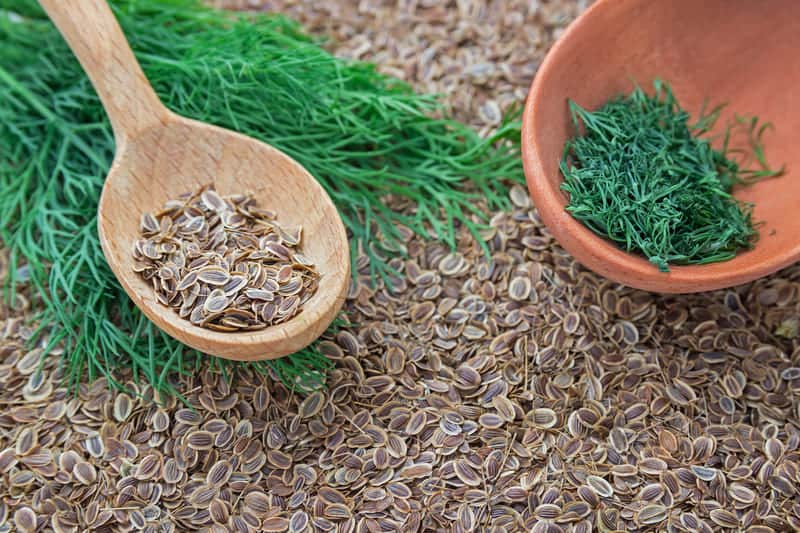
Dill seeds
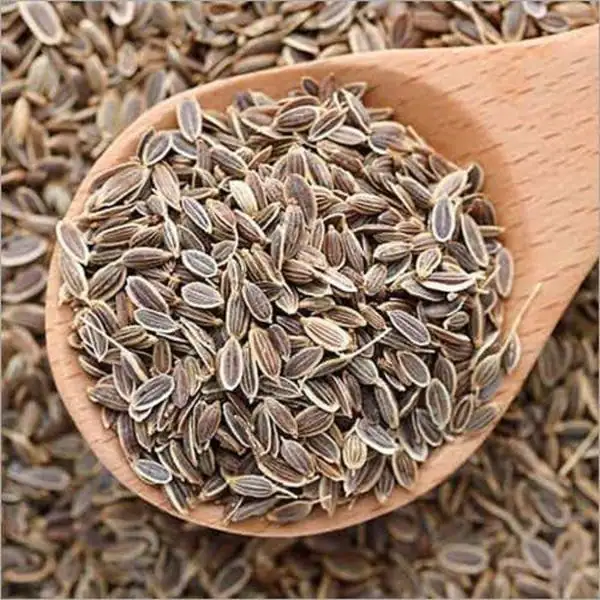
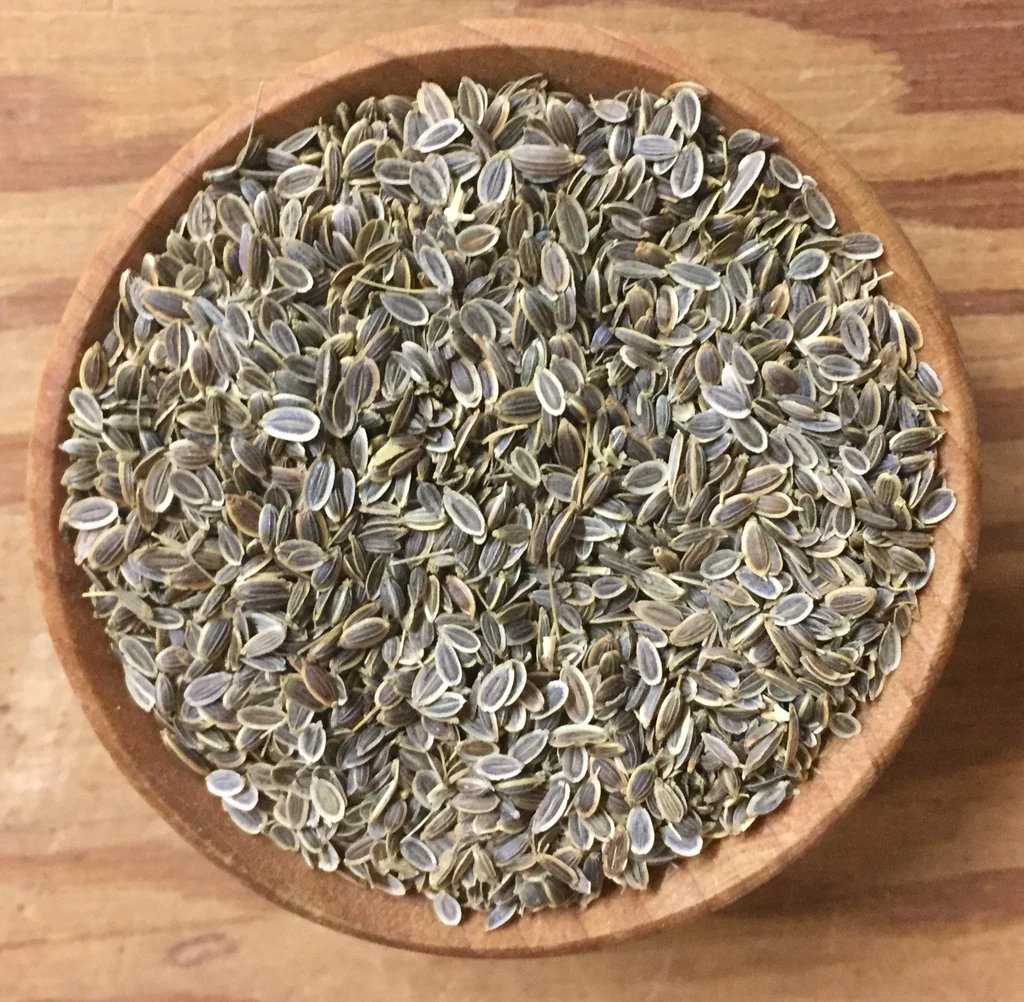
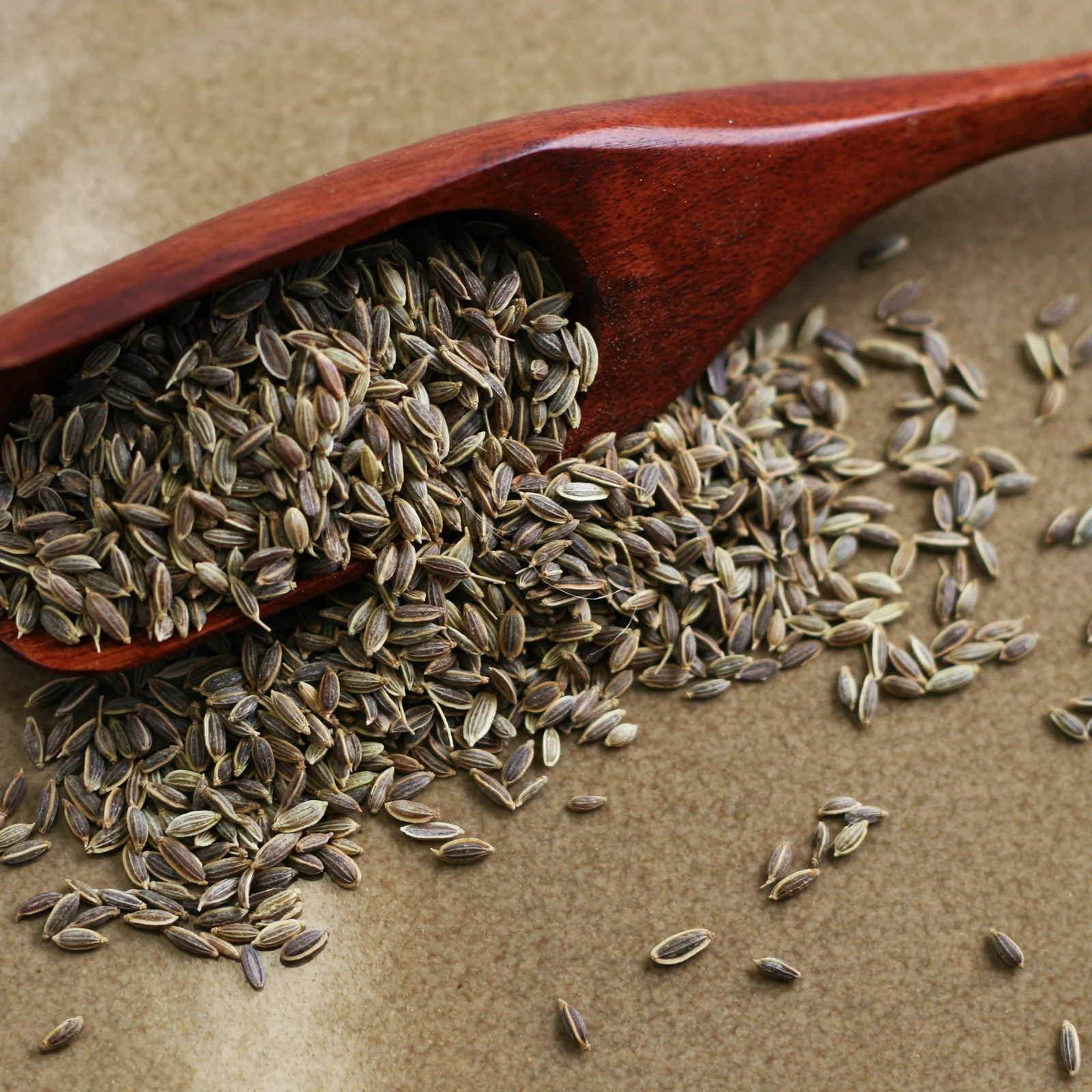
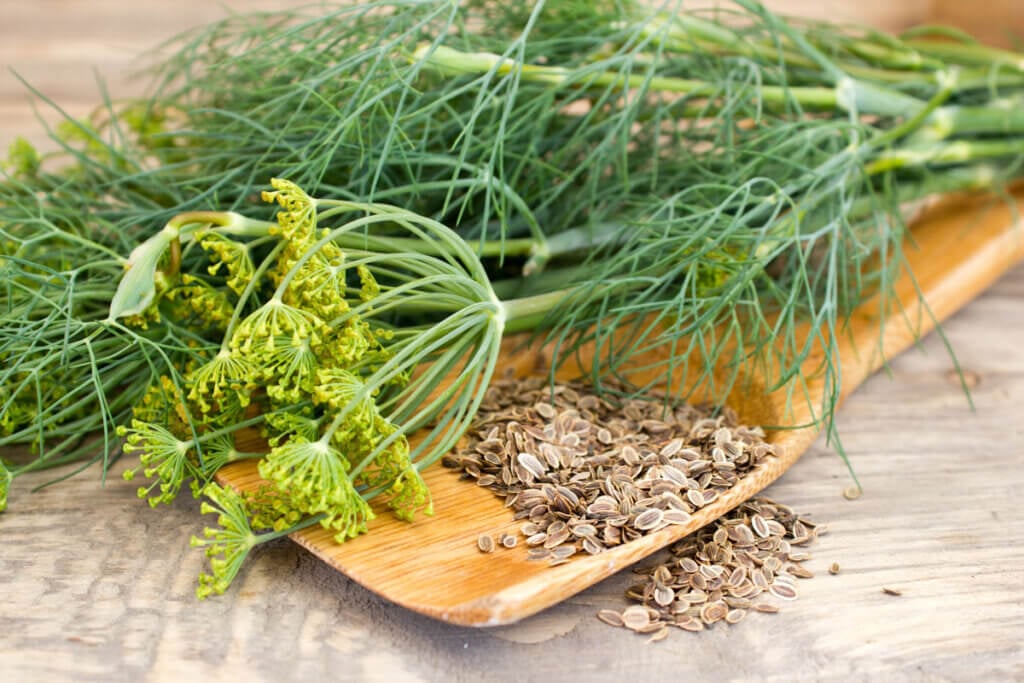
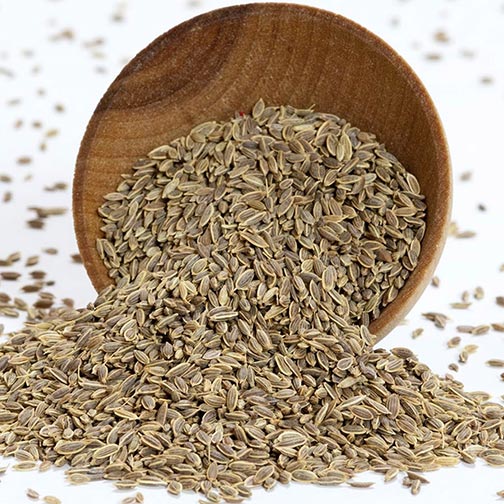
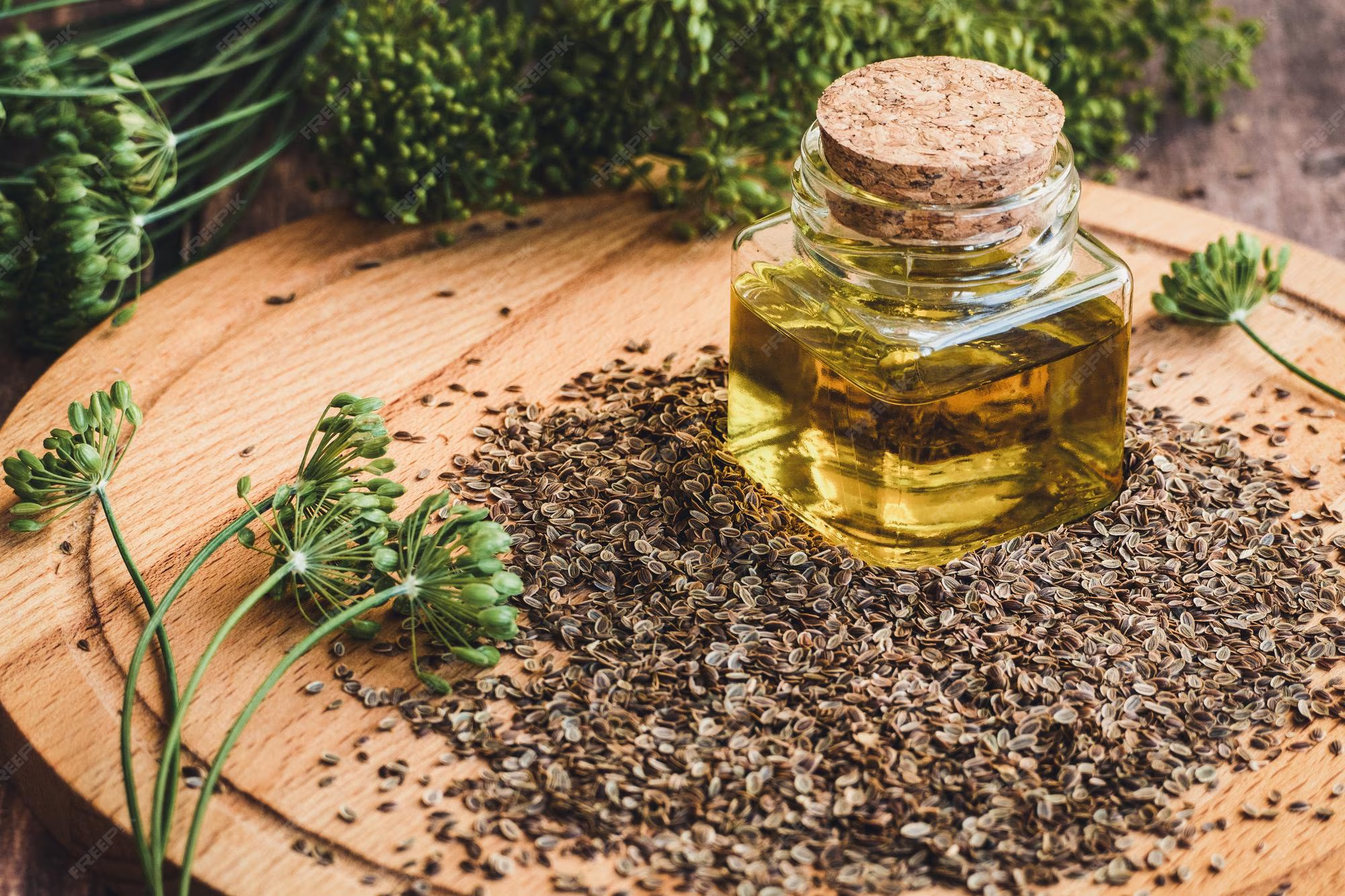
Dill seeds are the dried fruits of the Anethum graveolens plant, belonging to the Apiaceae family. They are small, oval-shaped, and light brown, with a flavor that is slightly bitter, warm, and aromatic, similar to caraway or anise. Dill seeds are used both as a culinary spice and a medicinal herb. They are widely used in pickling, curries, stews, breads, and teas. The seeds are valued for their essential oils, which contain carvone and limonene, compounds responsible for their aroma and health-promoting properties. Beyond the kitchen, dill seeds play an important role in traditional medicine for aiding digestion, soothing colds, and improving overall wellness.
Description
Dill seeds are aromatic, oval-shaped seeds with a warm, slightly bitter taste. They are used extensively in pickling, curries, breads, and herbal teas. Rich in essential oils, fiber, vitamins, and minerals, they provide both flavor and health benefits. In traditional medicine, dill seeds are known for their digestive and calming effects. They are especially popular in Indian, Middle Eastern, and European cuisines. Their distinct aroma makes them a staple spice across the world.
History
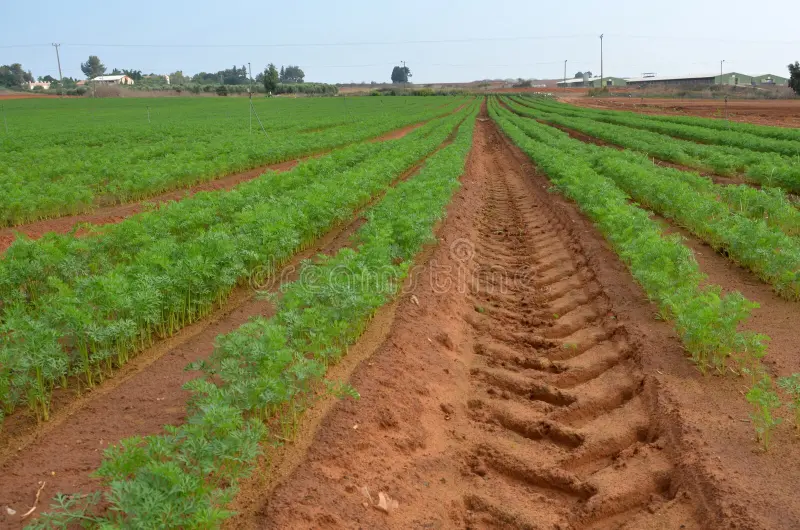
Dill seeds have been valued for thousands of years, with origins tracing back to ancient Egypt, Greece, and Rome. Egyptians used them in medicine and for embalming, while Greeks considered dill a symbol of wealth. Romans used dill seeds for digestion after feasts and as a culinary herb. Over time, dill spread across Europe, Asia, and the Middle East, becoming a key ingredient in pickling and traditional remedies. In Ayurveda, dill seeds (known as Suva dana) are used to improve digestion, reduce colic in children, and promote lactation in mothers. Today, dill seeds are cultivated in India, Russia, the Mediterranean, and North America, continuing their legacy as both a spice and a natural remedy.
Specification
| Product Name | Dill seeds |
|---|---|
| International Name | Dill seeds |
| HSN Code | 0910.99 |
| Packaging | Customized |
| Type | Whole Spice Seeds |
Features & Characteristics
| Color | Light brown to grayish-brown |
|---|---|
| Storage Type | Store in a cool, dry, airtight container away from sunlight |
| Shelf Life | 12 months in normal temp; 24 months under 20 ℃ |
| Instruction For Use | Use whole orUse whole or ground; add to pickles, curries, breads, teas, and spice mixes ground; add to pickles, curries, breads, teas, and spice mixes |
Ingredients
| Nutrients | Rich in dietary fiber, antioxidants, and essential oils |
|---|---|
| Minerals | Contains calcium, iron, magnesium, and potassium |
| Vitamins | Provides Vitamin A, Vitamin C, and B-complex vitamins |
| Protein | 15 g |
| Fats | 14 g |
Uses & Benefits
Uses :
Commonly used in pickling spices for cucumbers and vegetables Added to soups, stews, curries, and lentil dishes Used in herbal teas and digestive drinks Incorporated in spice blends and masalas Sprinkled in breads and savory snacks for flavor Utilized in traditional remedies for digestion and colds
Turmeric Uses & Benefits :
Aids digestion and reduces bloating and gas Supports bone health with high calcium content Provides antimicrobial and anti-inflammatory properties Boosts immunity with antioxidants and vitamins Helps regulate cholesterol and blood sugar levels Promotes relaxation and supports respiratory health