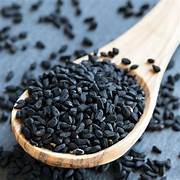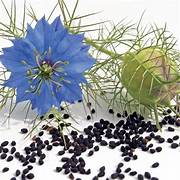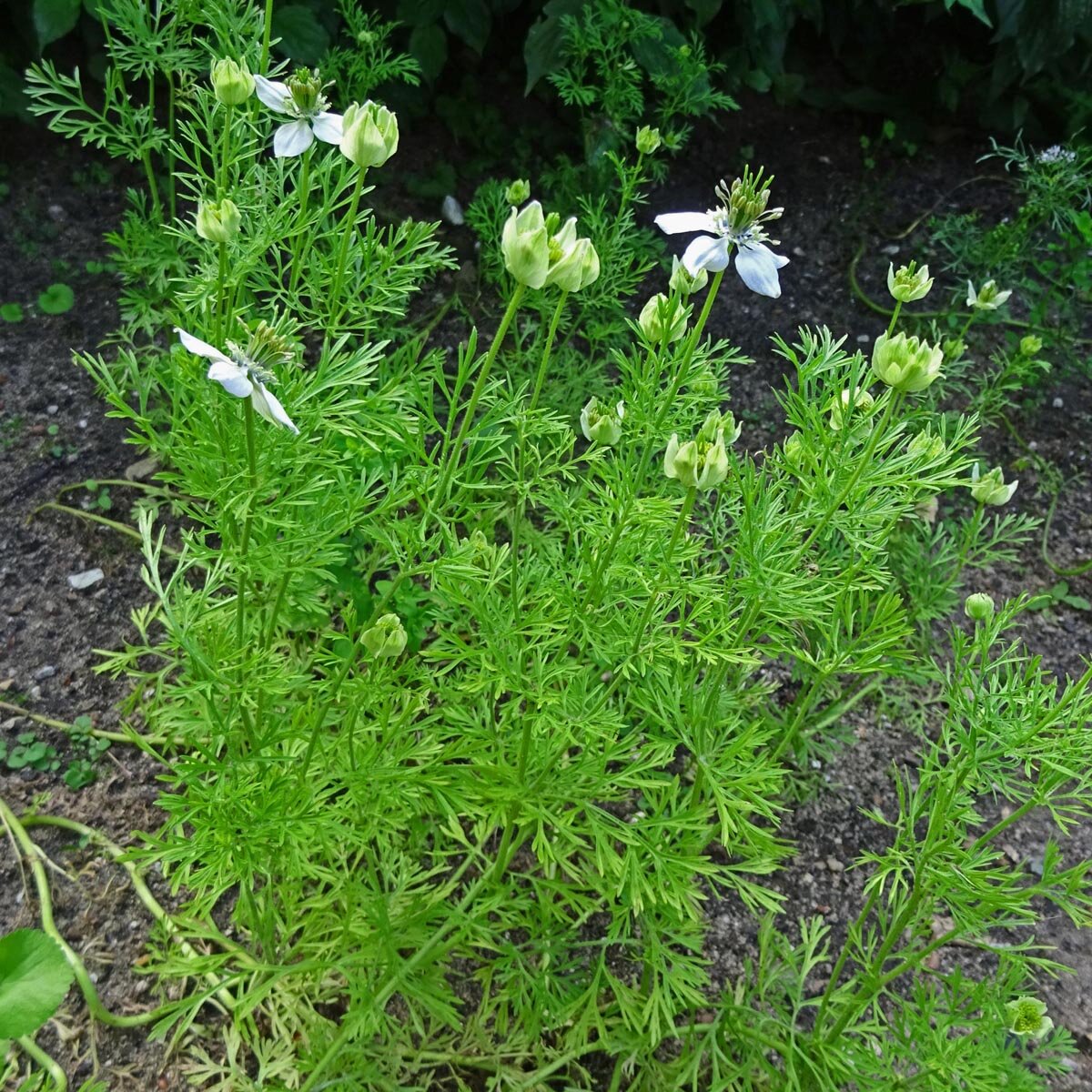
Nigella seeds
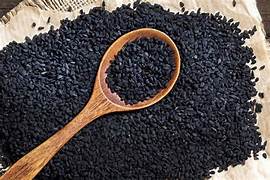
Nigella seeds
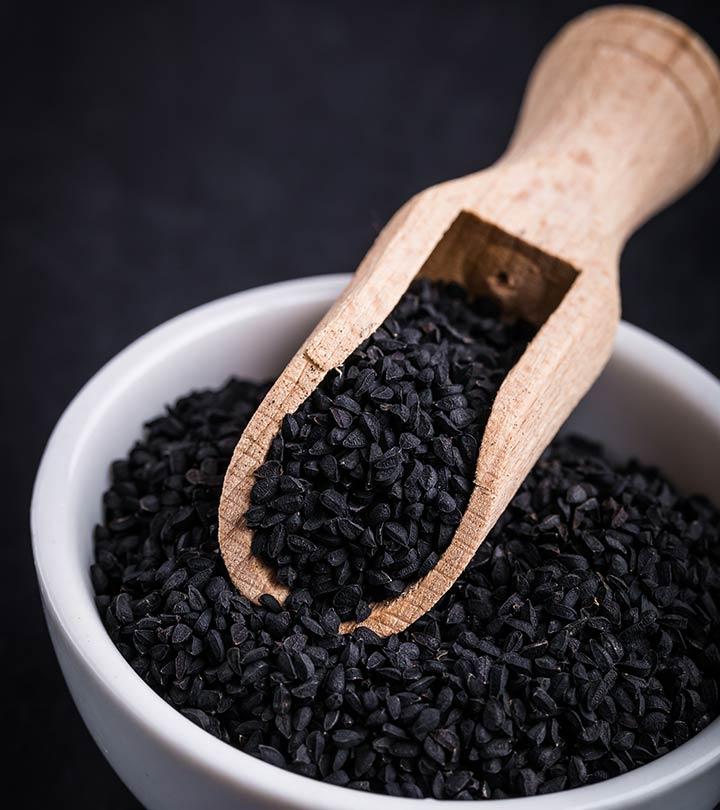
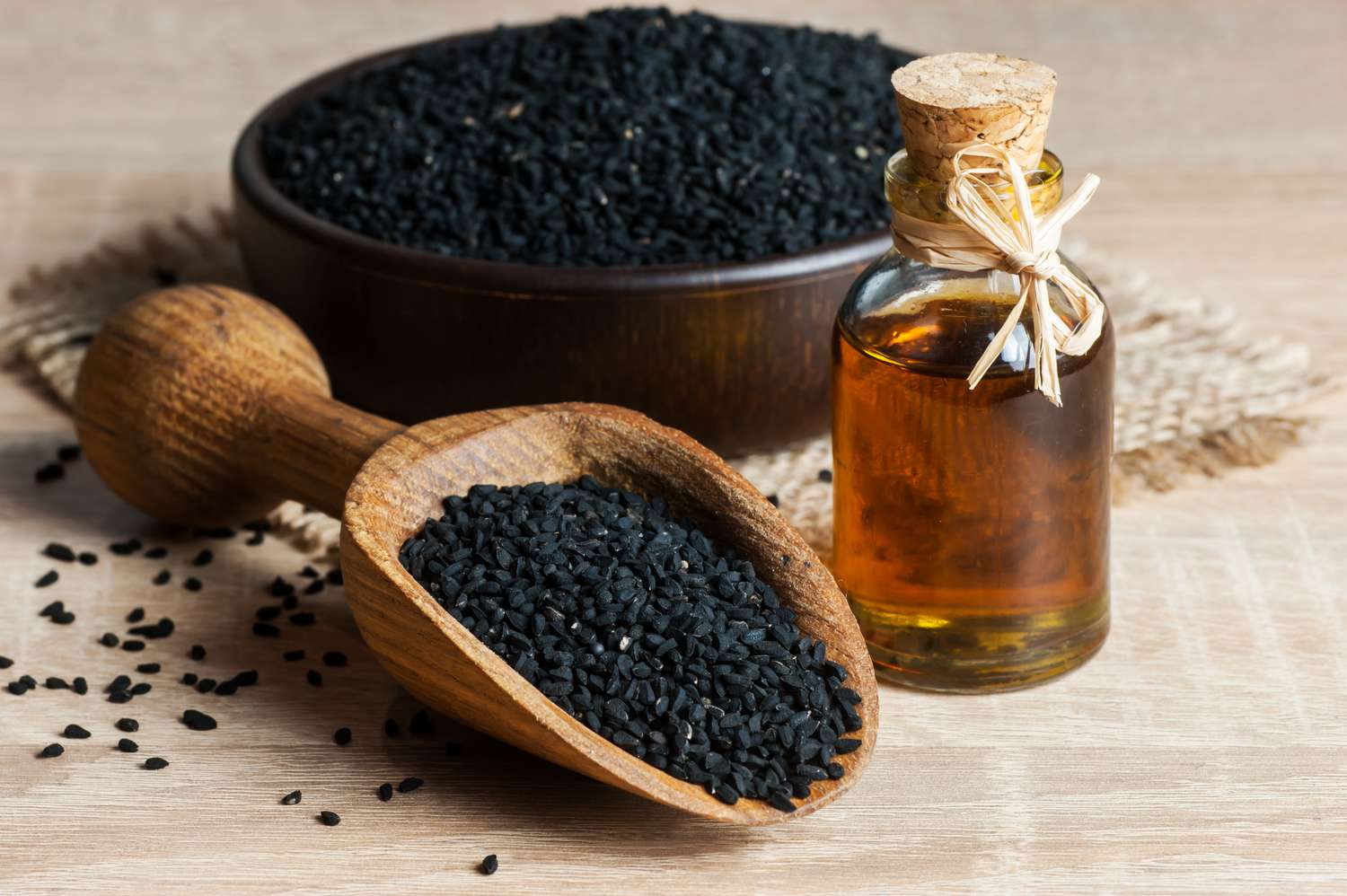
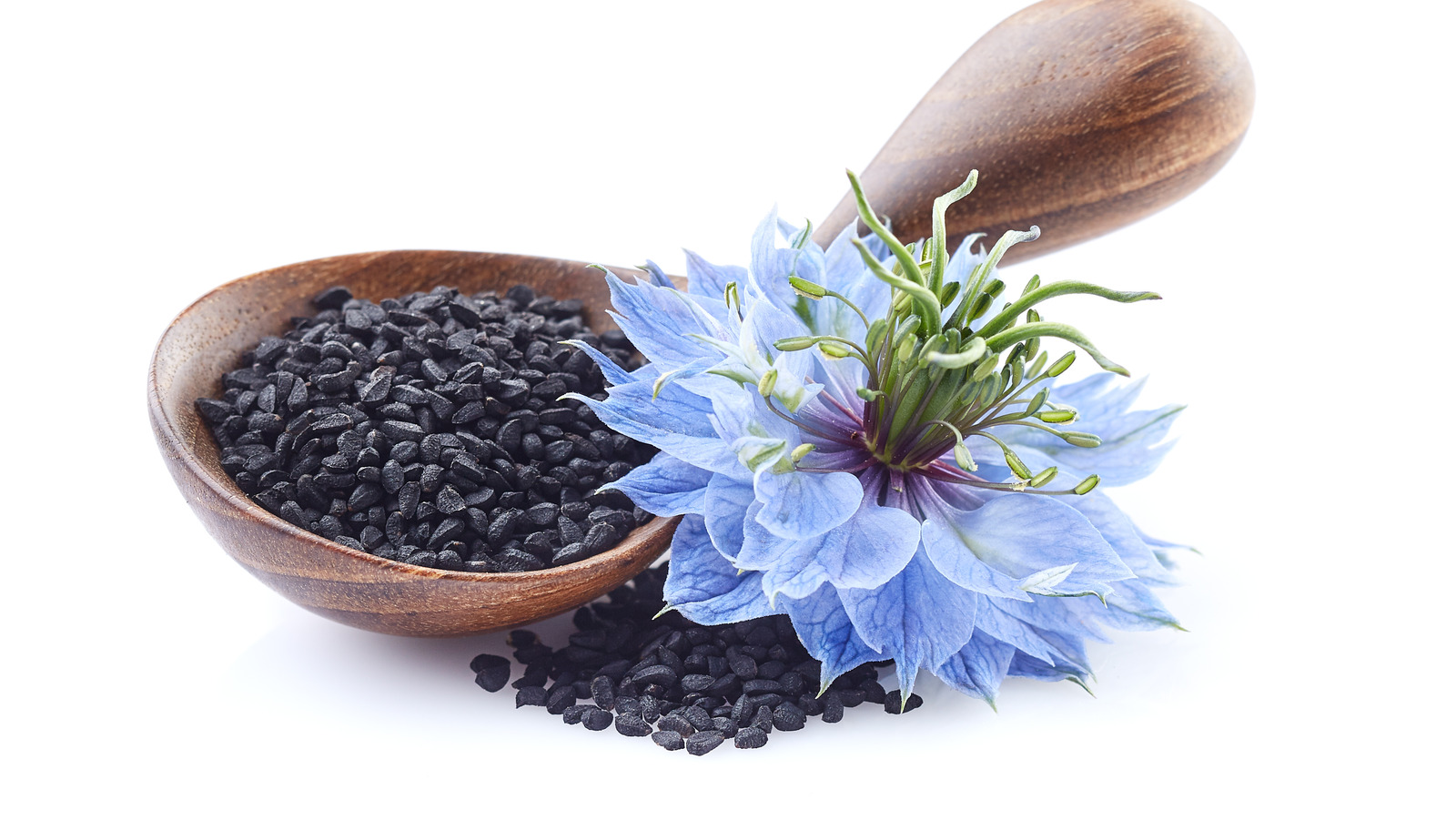
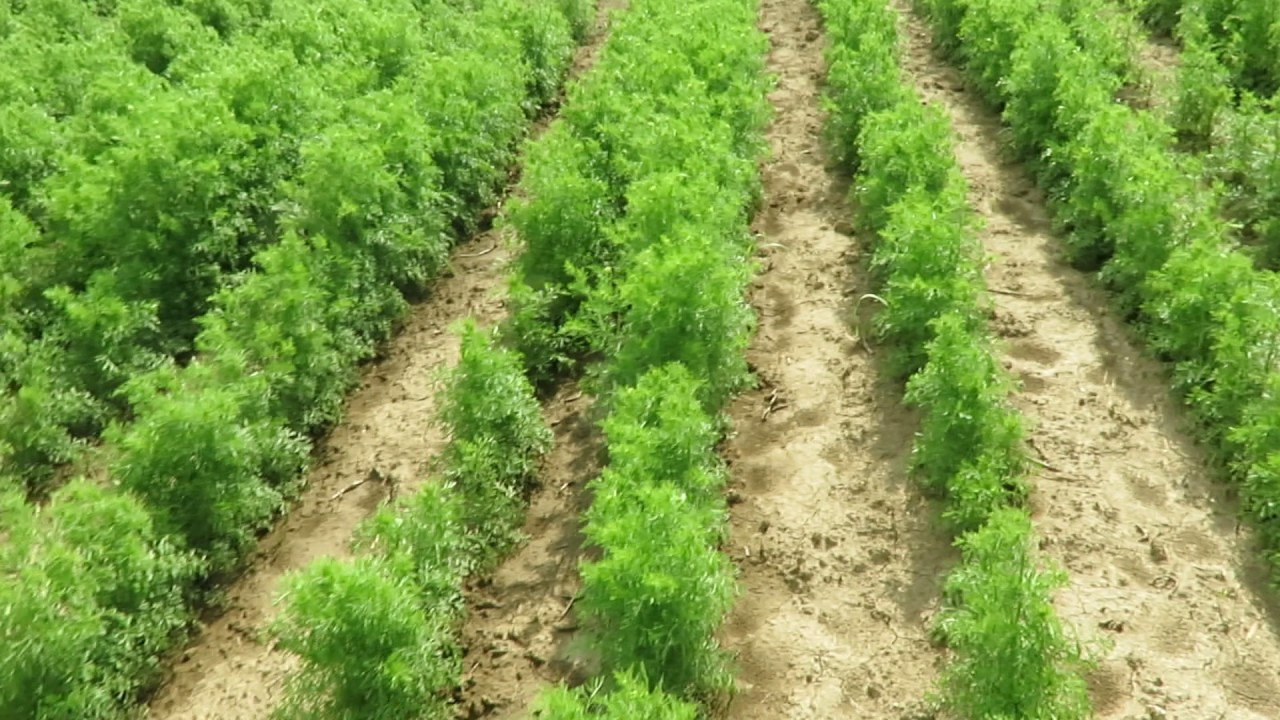
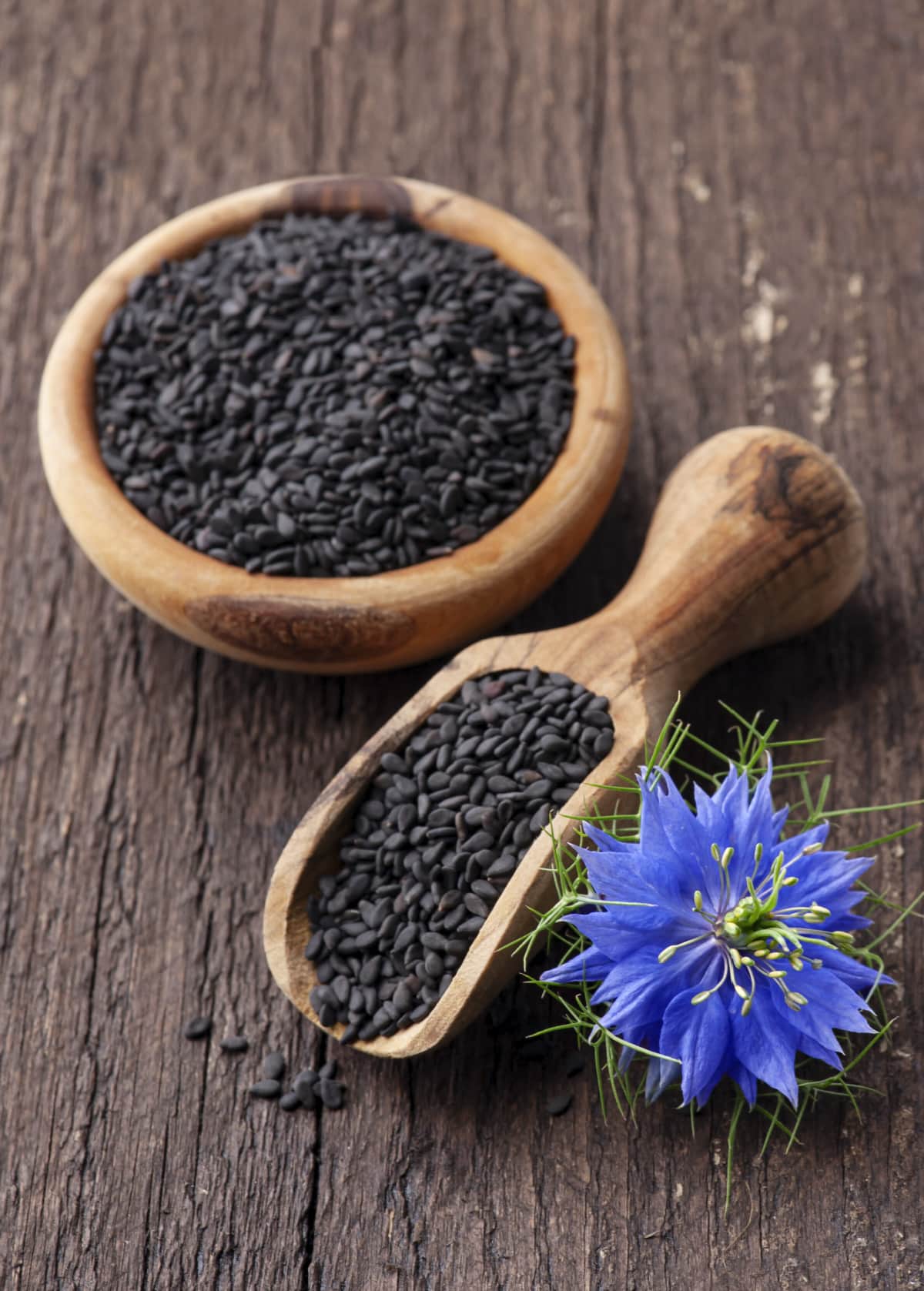
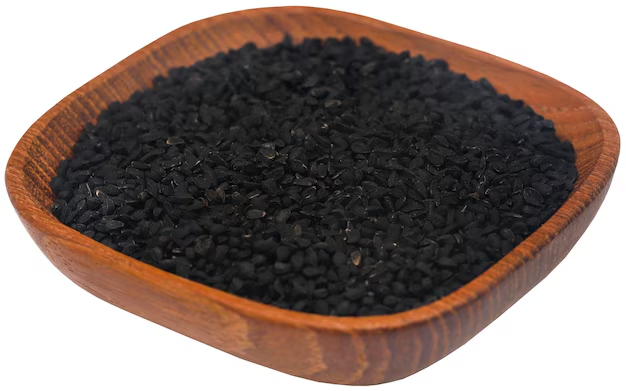
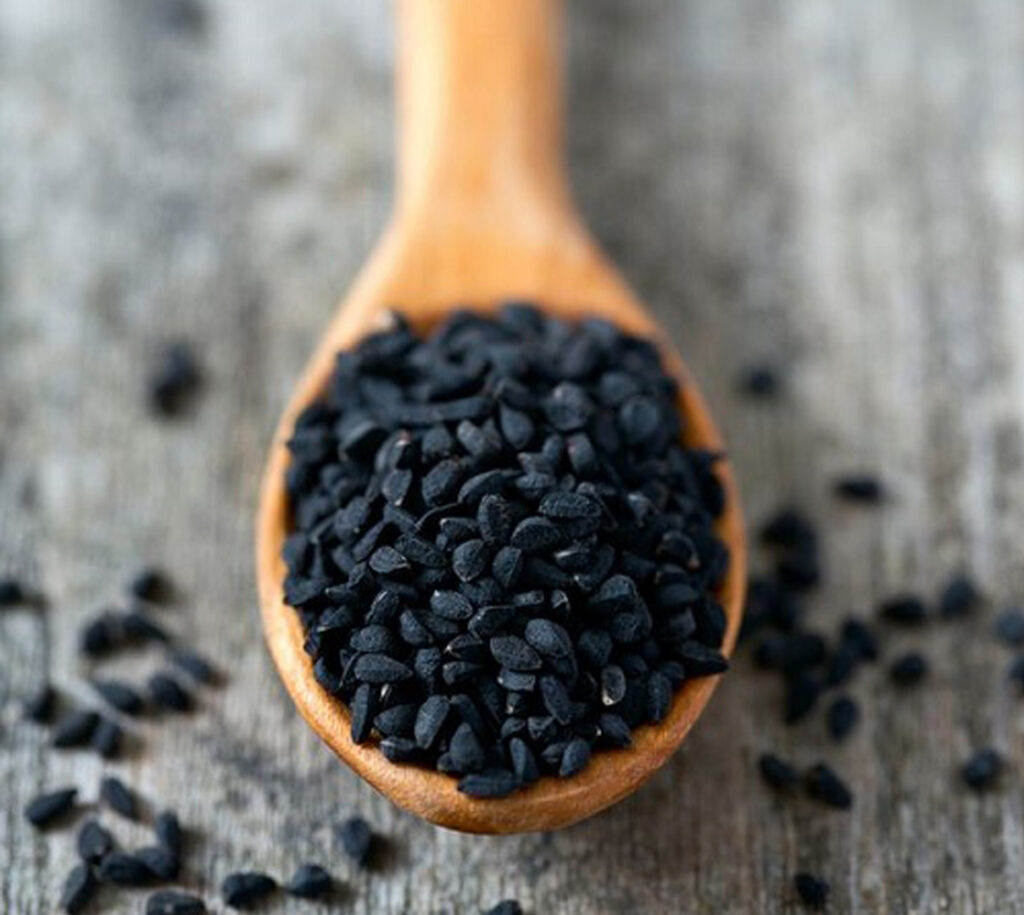
Nigella seeds, commonly known as Kalonji or Black Cumin, are tiny black seeds obtained from the Nigella sativa plant. They have a slightly bitter, peppery flavor with hints of onion and oregano. Widely used as both a spice and a natural medicine, nigella seeds are a staple in Indian, Middle Eastern, and Mediterranean cuisines. They are commonly sprinkled on flatbreads, incorporated into pickles, or used in curries and vegetable dishes. Apart from culinary uses, nigella seeds are highly valued in Ayurveda, Unani, and traditional Islamic medicine for their health benefits. Nigella oil, extracted from the seeds, is considered a powerful natural remedy and is famously referred to as “the seed of blessing.”
Description
Nigella seeds (Kalonji) are small black seeds with a pungent, slightly bitter taste. They are widely used in Indian breads, curries, pickles, and Middle Eastern dishes. Rich in protein, essential fatty acids, and antioxidants, they support overall health. In traditional medicine, they are used to improve digestion, immunity, and respiratory health. Nigella seeds are also pressed for their oil, which is considered highly medicinal. Their unique flavor and health benefits make them an important spice globally.
History
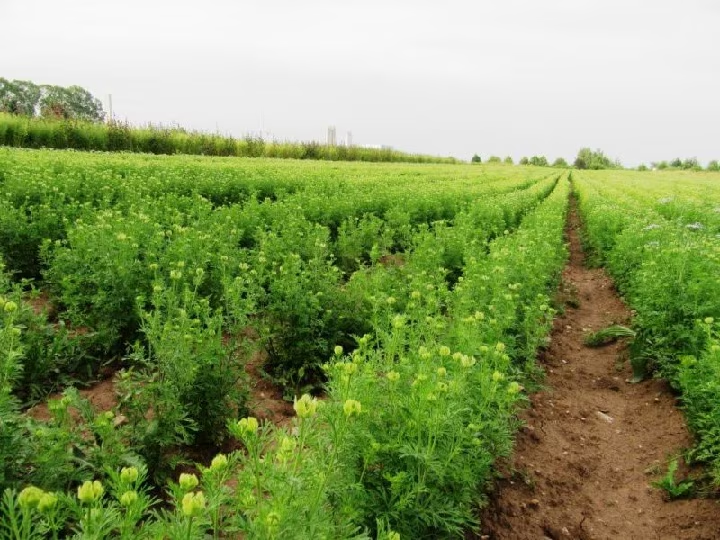
Nigella seeds have a long history dating back over 2,000 years. Archaeological evidence shows that they were found in the tomb of Egyptian Pharaoh Tutankhamun, highlighting their ancient medicinal value. Known in Islamic tradition as “Habbatul Barakah” (the blessed seed), they were praised by Prophet Muhammad for their healing properties. In Ayurveda and Unani medicine, kalonji has been used for centuries to treat digestive, respiratory, and inflammatory conditions. Over time, nigella seeds spread across the Middle East, North Africa, and Asia, becoming a staple in both culinary and medicinal practices. Today, they are cultivated in India, Pakistan, Turkey, and Egypt, and continue to hold a strong place in kitchens and traditional healing systems worldwide.
Specification
| Product Name | Nigella seeds |
|---|---|
| International Name | Nigella seeds |
| HSN Code | 120799 |
| Packaging | Customized |
| Type | Whole Spice Seeds |
Features & Characteristics
| Color | Black |
|---|---|
| Storage Type | Store in a cool, dry, airtight container away from direct sunlight |
| Shelf Life | 12 months in normal temp; 24 months under 20 ℃ |
| Instruction For Use | Use whole or lightly roasted; add to curries, breads, pickles, salads, and spice blends |
Ingredients
| Nutrients | Rich in protein, fiber, and healthy fatty acids |
|---|---|
| Minerals | Contains calcium, potassium, iron, magnesium, and zinc |
| Vitamins | Provides Vitamin A, B-complex, and Vitamin C |
| Protein | 20 g |
| Fats | 35 g |
Uses & Benefits
Uses :
Added to Indian breads like naan and paratha for flavor Used in curries, dals, and vegetable dishes Essential in pickling spice blends and chutneys Sprinkled on salads and savory snacks Used in Middle Eastern, African, and South Asian cuisines Employed in herbal teas and traditional remedies
Turmeric Uses & Benefits :
Supports digestion and improves appetite Strengthens the immune system with antioxidants Known for anti-inflammatory and antimicrobial properties Helps regulate blood sugar and cholesterol levels Promotes healthy skin and hair Used in traditional medicine for respiratory and joint health