Carom Seeds
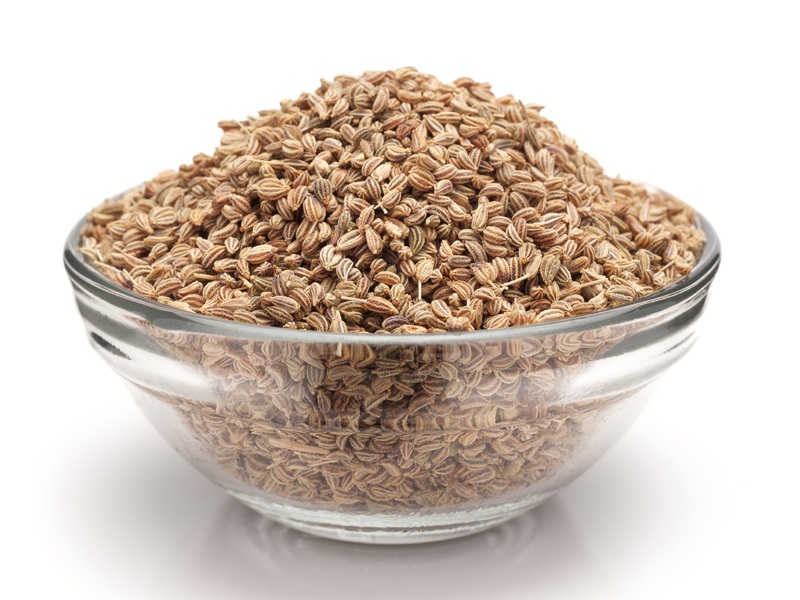
Carom Seeds
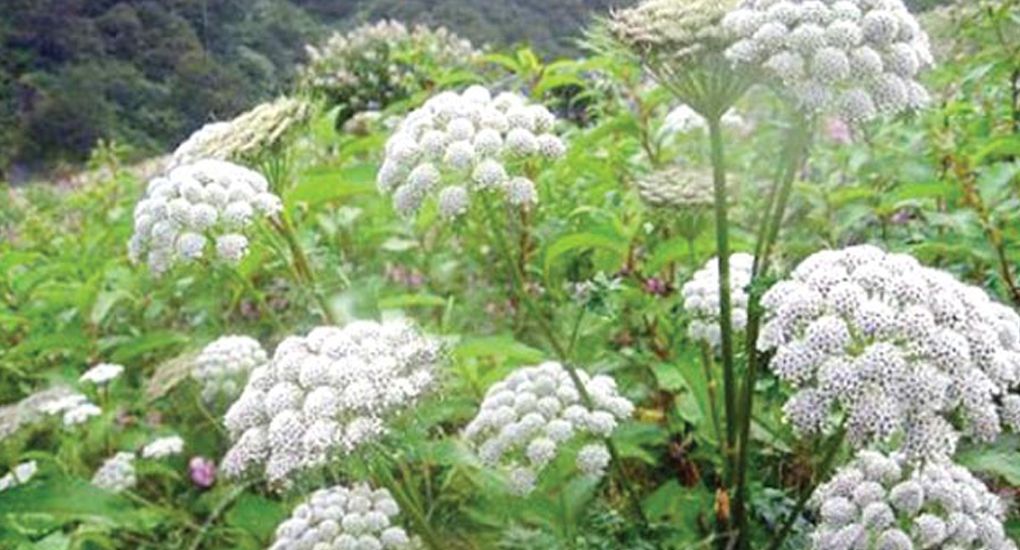
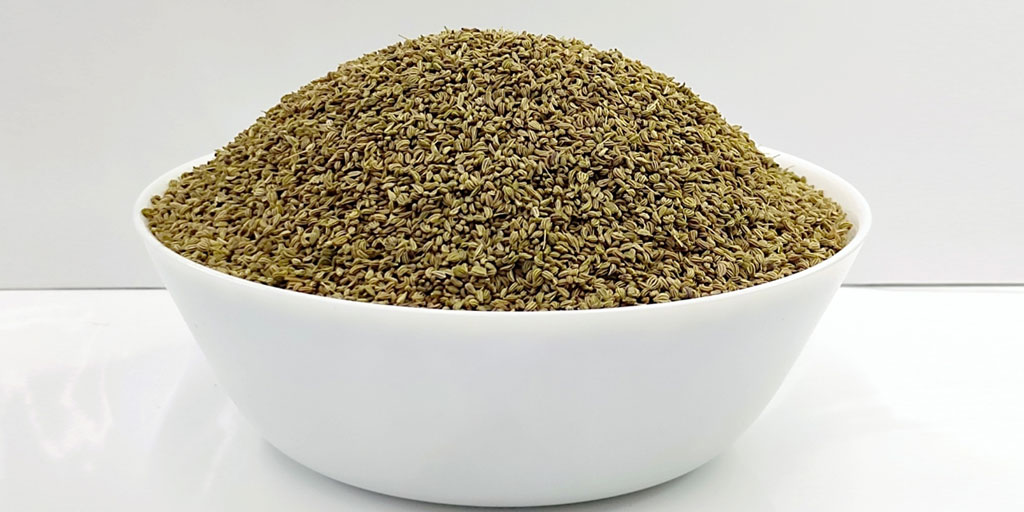
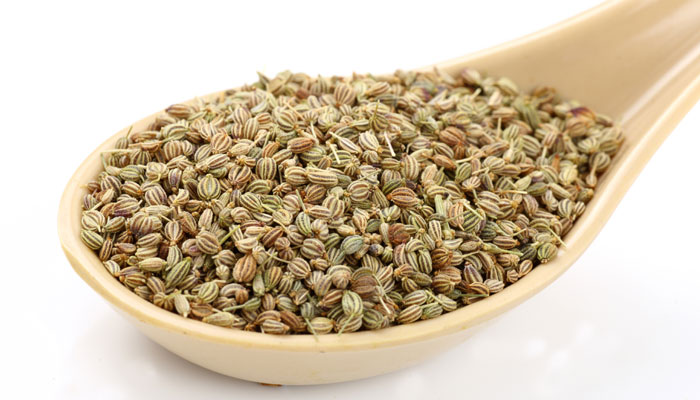
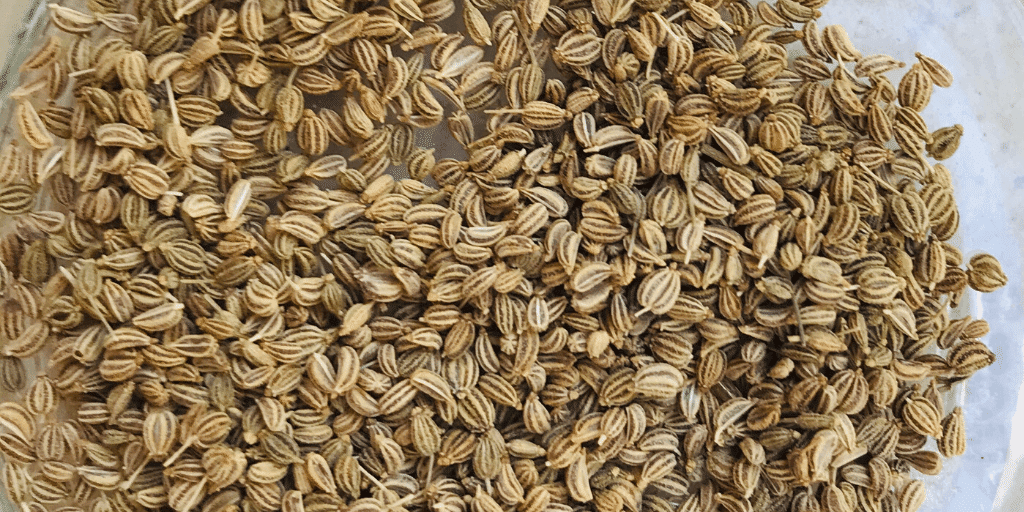
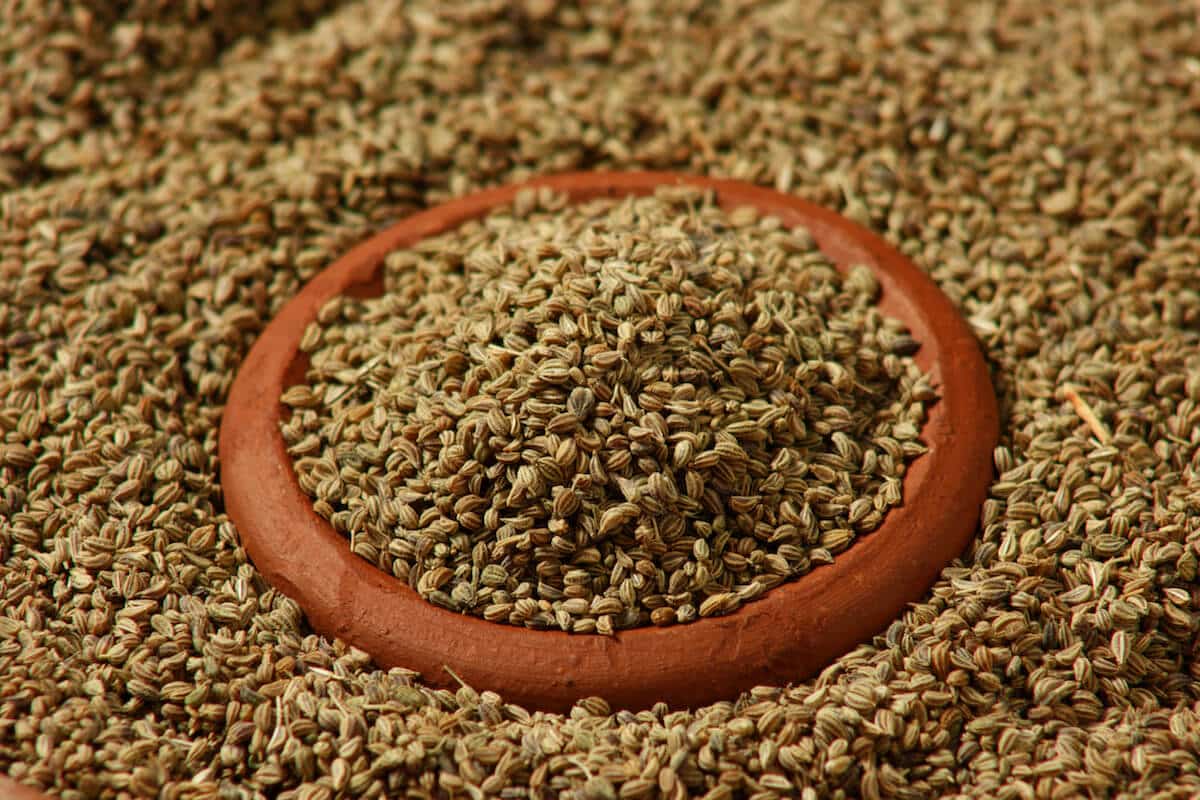
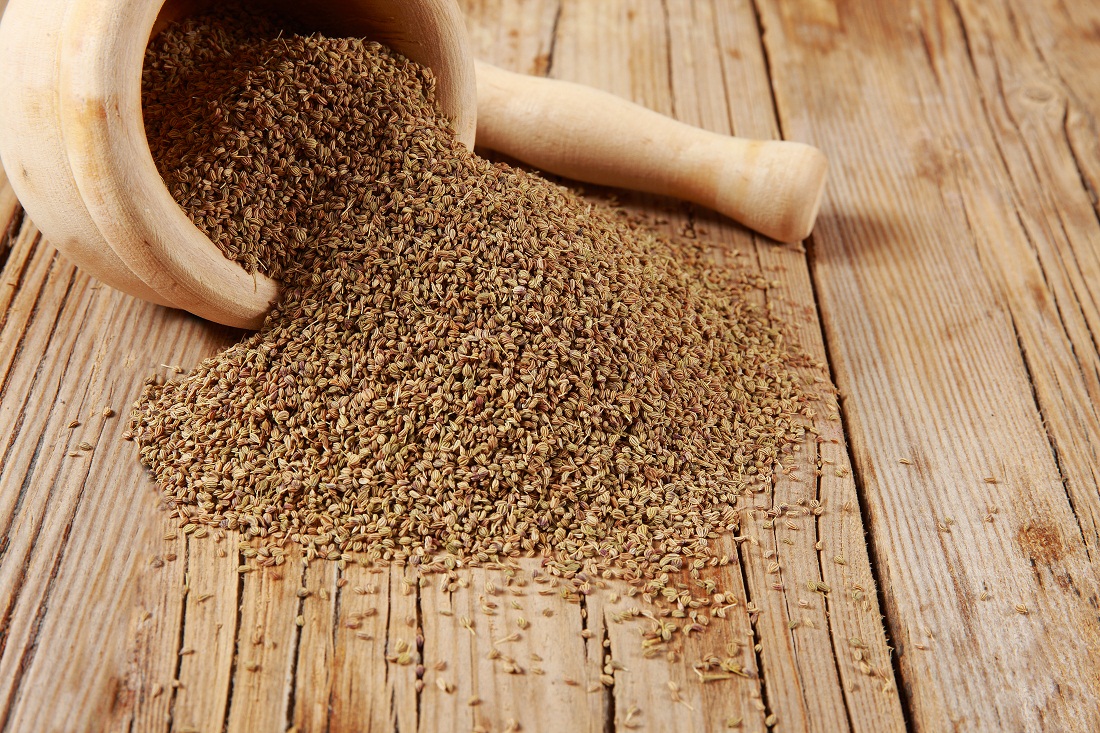
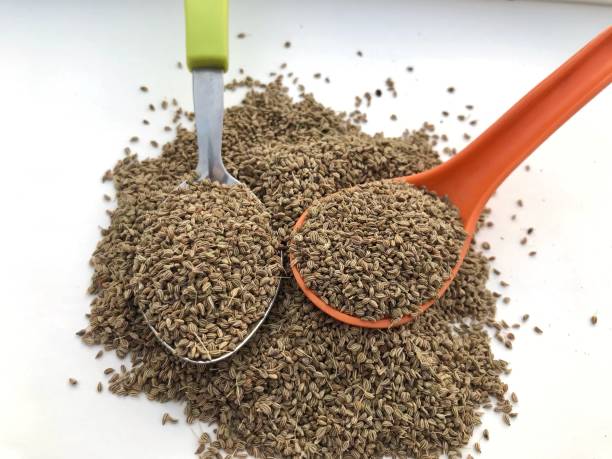
Carom Seeds, also known as Ajwain, are the dried fruits of the Trachyspermum ammi plant, belonging to the Apiaceae family. Small and oval in shape, they resemble cumin or fennel seeds but are more aromatic and pungent. Carom seeds have a sharp, thyme-like flavor due to the presence of thymol, which makes them both flavorful and medicinal. They are widely used in Indian, Middle Eastern, and North African cuisines, especially in breads, curries, and pickles. Apart from culinary applications, carom seeds are highly valued in Ayurveda and Unani medicine for their digestive, antibacterial, and respiratory benefits. Carom seed oil is also used in pharmaceuticals, aromatherapy, and natural remedies.
Description
Carom seeds (Ajwain) are small, aromatic seeds with a sharp, thyme-like flavor. They are used in Indian breads, curries, pickles, and spice blends. Known for their high thymol content, they aid digestion and provide medicinal value. Ajwain is also used in teas and home remedies for colds, coughs, and stomach issues. Rich in antioxidants and essential oils, they support overall health and immunity. Their strong aroma and health benefits make them a unique spice in global cuisines.
History
Carom seeds have been cultivated and used for thousands of years, with origins in the Middle East and South Asia. Ancient Egyptians valued ajwain for its medicinal properties, while in India, it has been a staple in Ayurvedic medicine for digestive and respiratory health. It spread to Greece and Rome, where it was used for flavoring foods and herbal remedies. In the Middle Ages, ajwain became a well-known spice across Asia and North Africa, traded along spice routes. Today, India is the largest producer and consumer of carom seeds, where they remain integral to both culinary and medicinal traditions. They are also cultivated in Pakistan, Iran, and Egypt, continuing their legacy as both a spice and a natural medicine.
Specification
| Product Name | Carom Seeds |
|---|---|
| International Name | Carom Seeds |
| HSN Code | 091099 |
| Packaging | Customized |
| Type | Whole Spice Seeds |
Features & Characteristics
| Color | Light brown to grayish-green |
|---|---|
| Storage Type | Store in a cool, dry, airtight container away from sunlight and moisture |
| Shelf Life | 12 months in normal temp; 24 months under 20 ℃ |
| Instruction For Use | Use whole or ground; add to breads, pickles, curries, and spice mixes; chew raw for digestion |
Ingredients
| Nutrients | Rich in fiber, essential oils, and natural antioxidants |
|---|---|
| Minerals | Contains calcium, iron, phosphorus, and potassium |
| Vitamins | Provides Vitamin C, Vitamin E, and B-complex vitamins |
| Protein | 16 g |
| Fats | 25 g |
Uses & Benefits
Uses :
Added to curries, lentils, and vegetable dishes for flavor Used in pickles, chutneys, and spice blends Commonly added to Indian breads like parathas and puris Chewed raw or with water to aid digestion Infused in teas and herbal remedies Used in traditional medicine for respiratory relief
Turmeric Uses & Benefits :
Supports digestion and relieves acidity and bloating Provides antibacterial and antifungal properties Helps ease cold, cough, and respiratory congestion Regulates cholesterol and promotes heart health Rich in antioxidants that strengthen immunity Traditionally used for relieving stomach cramps and indigestion