Cinnamon sticks
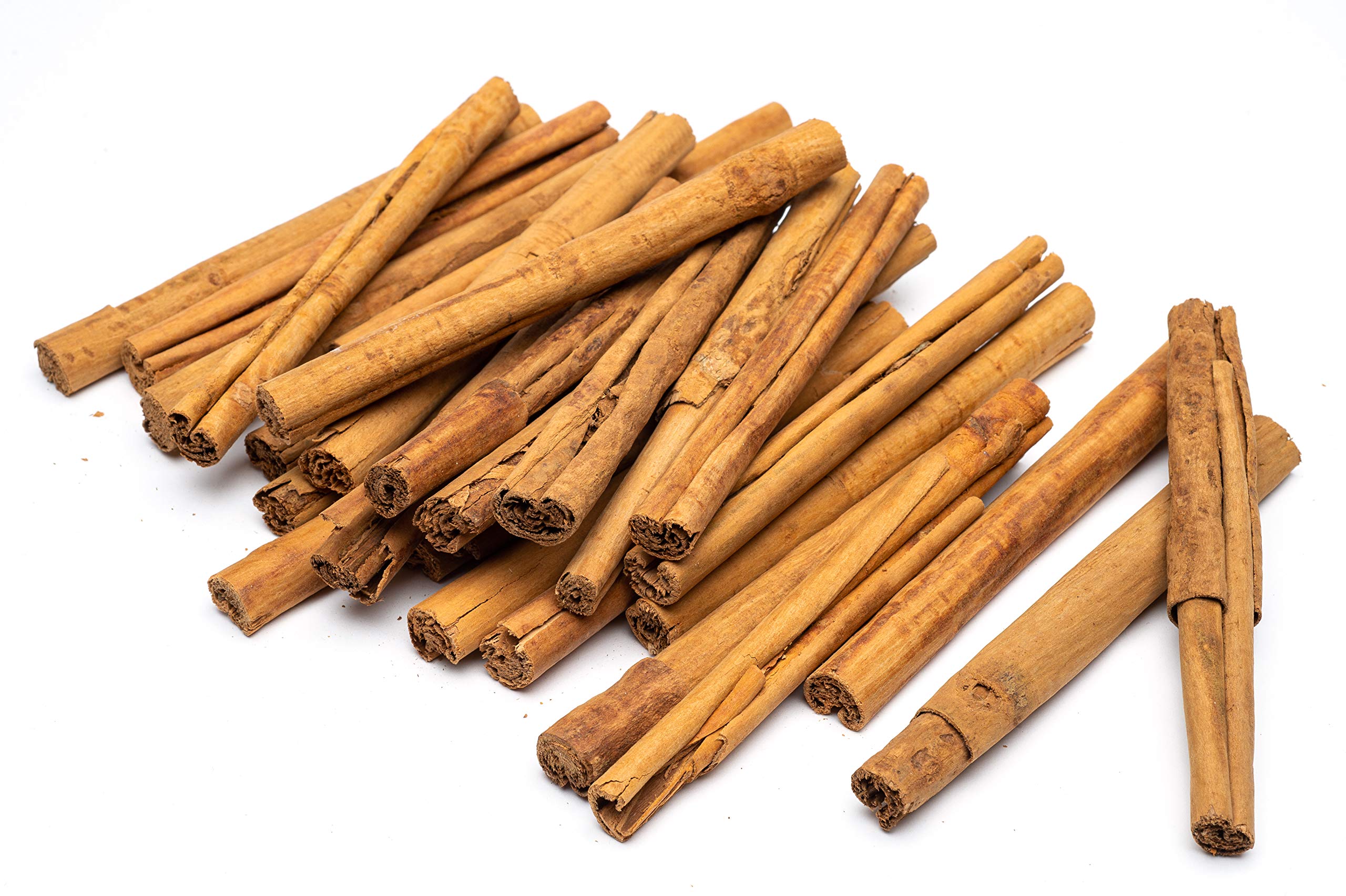
Cinnamon sticks
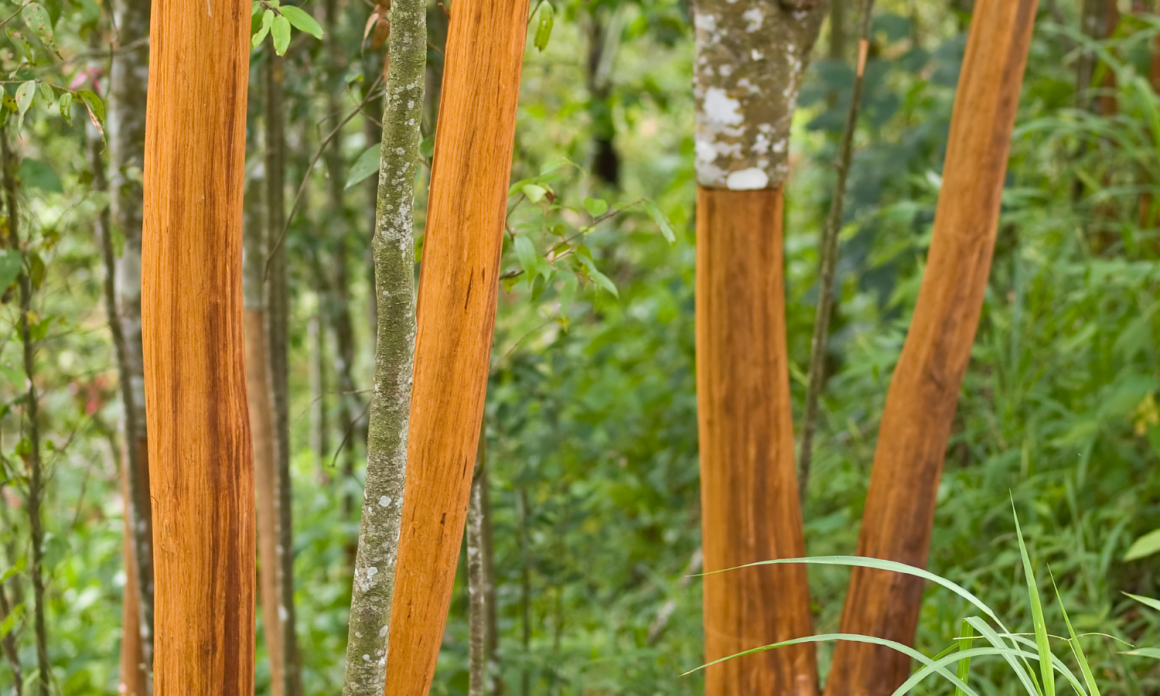
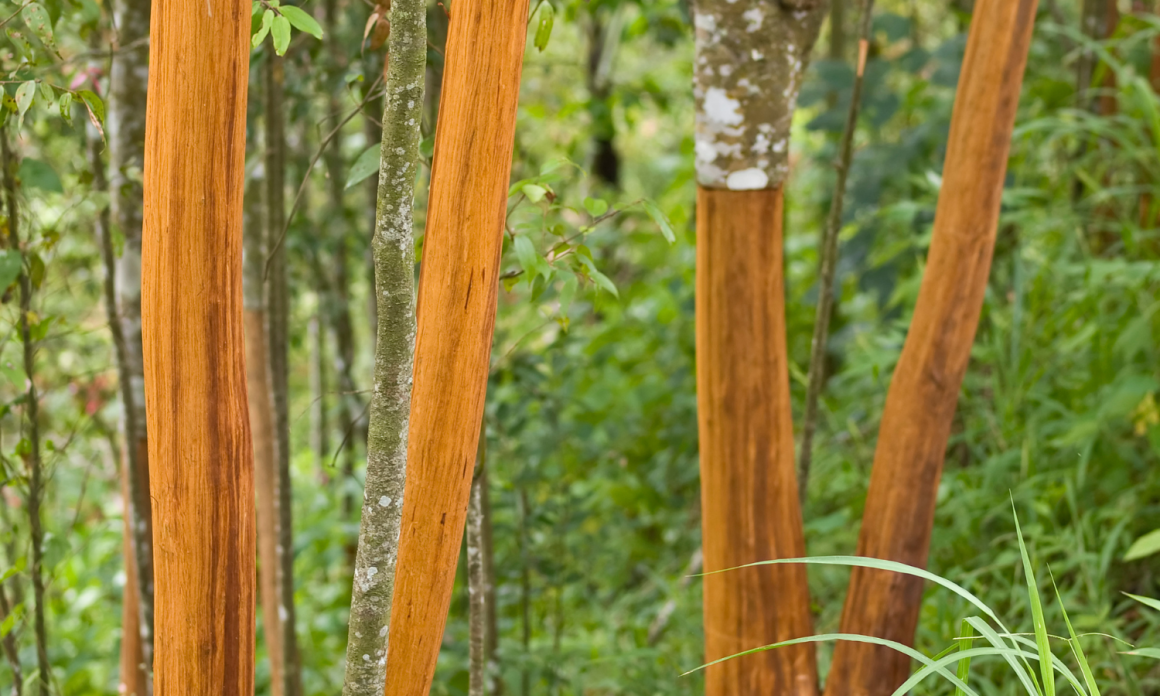
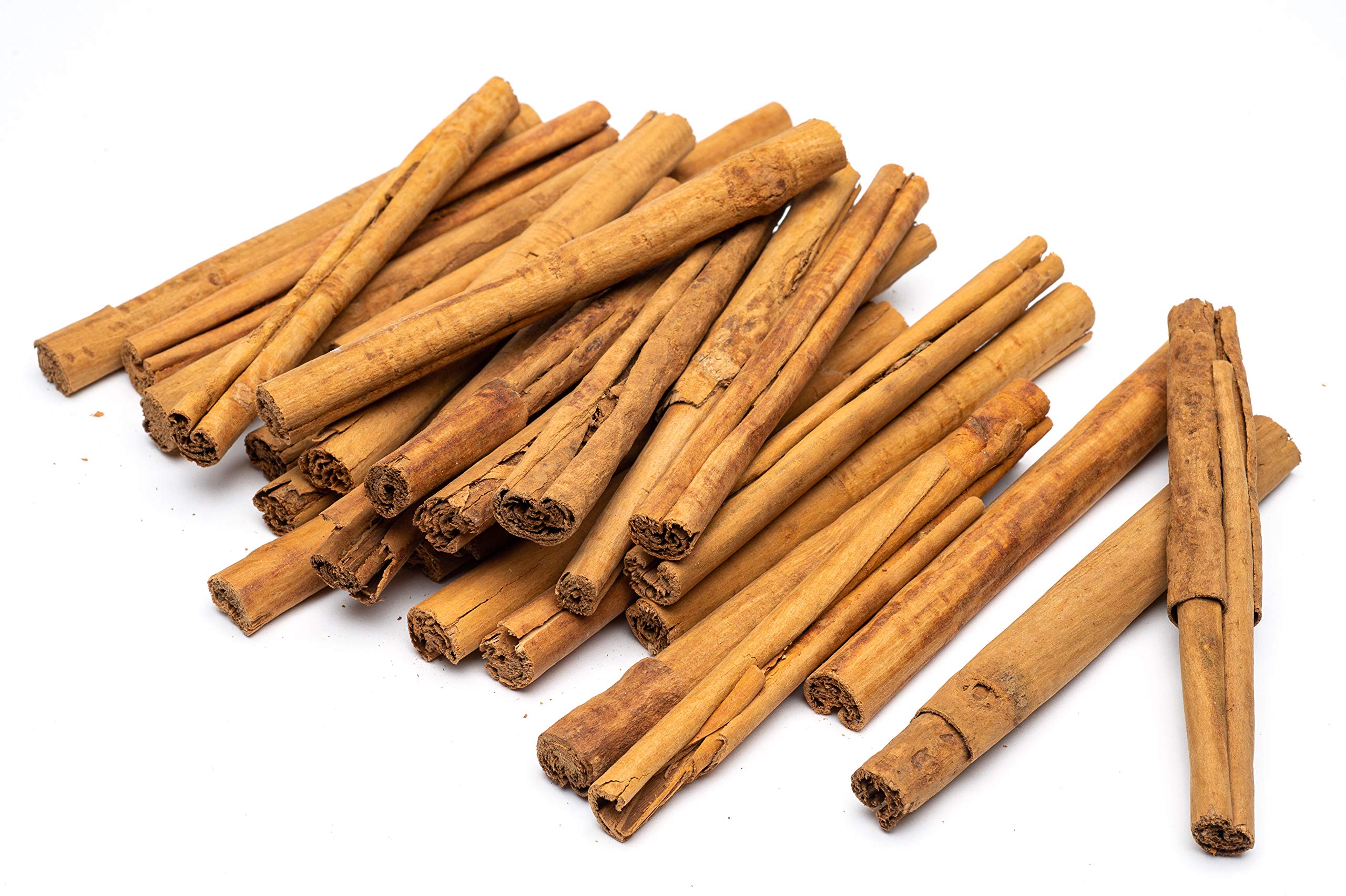
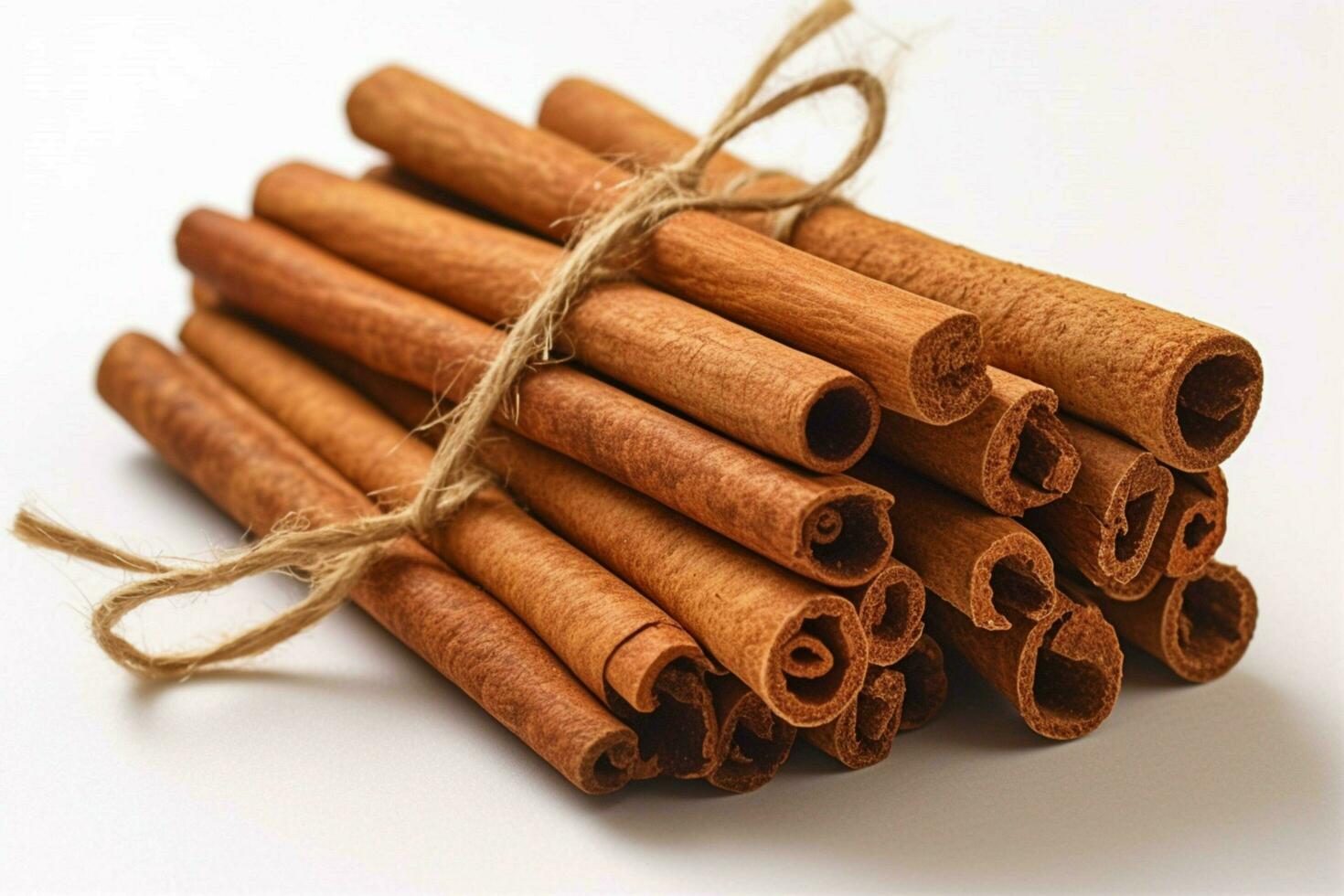
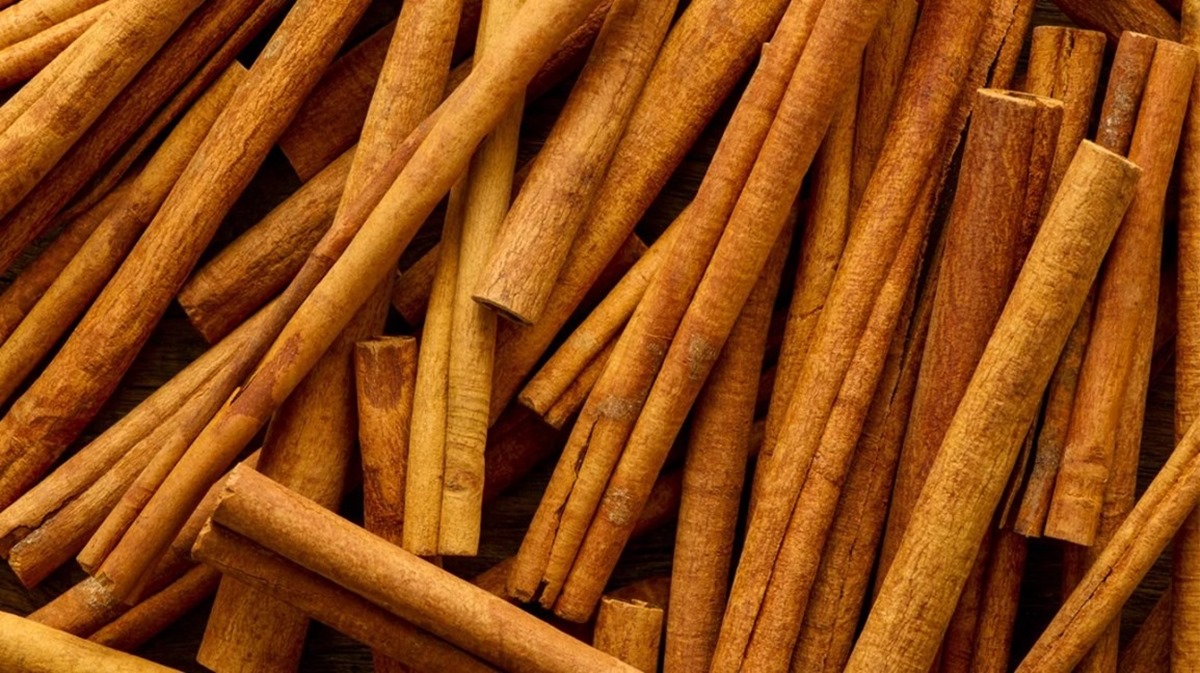
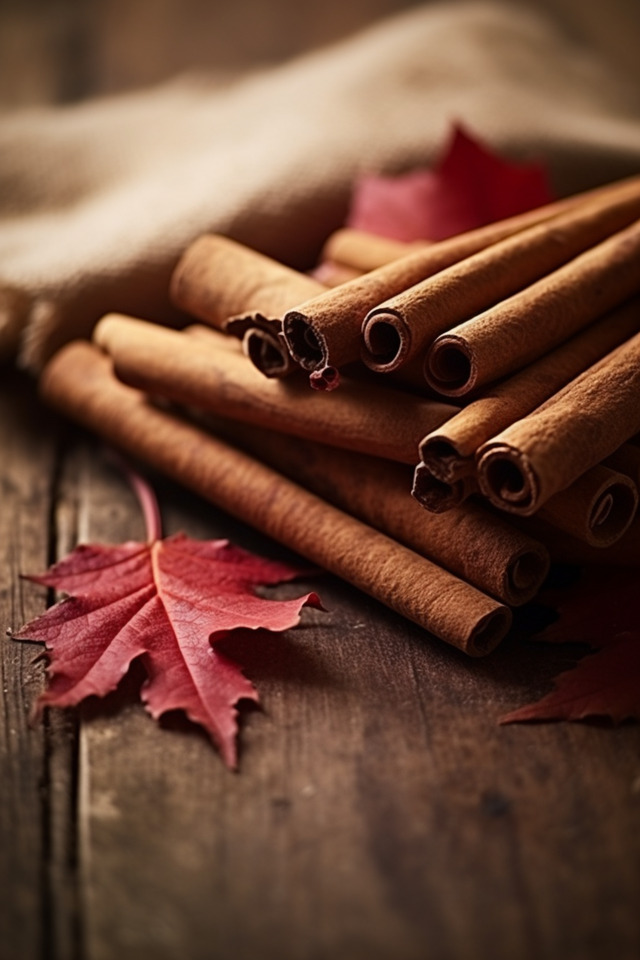
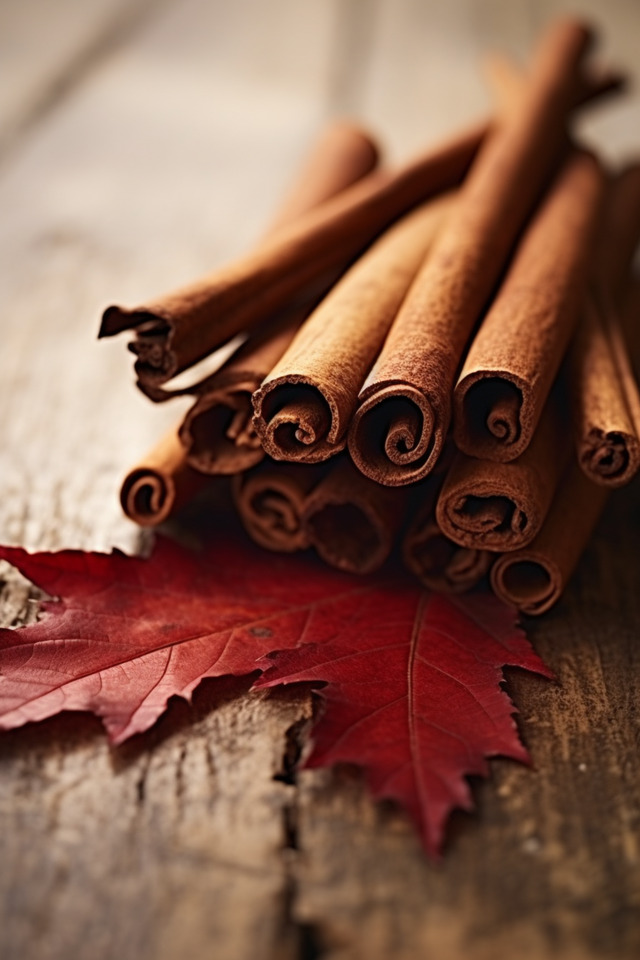
Cinnamon sticks are the dried inner bark of the Cinnamomum tree, belonging to the Lauraceae family. The bark naturally curls into quills or sticks when dried, giving cinnamon its signature shape. It has a sweet, warm, and woody flavor with a slightly spicy note, making it a versatile spice in both sweet and savory cooking. Cinnamon is available in two main types: Ceylon cinnamon (true cinnamon) and Cassia cinnamon. While Ceylon has a delicate, sweet taste, Cassia is bolder and more pungent. Beyond its culinary role, cinnamon is valued in traditional medicine for its digestive, anti-inflammatory, and antioxidant properties. Its essential oil is also used in perfumes, aromatherapy, and natural remedies.
Description
Cinnamon sticks are aromatic bark rolls known for their sweet and spicy flavor. They are widely used in curries, rice, teas, coffees, desserts, and baked goods. Available as Ceylon (true cinnamon) and Cassia, they vary in flavor and texture. Cinnamon is also ground into spice blends like garam masala and chai masala. Rich in antioxidants and essential oils, it offers numerous health benefits, including digestive support and immunity boosting. It is one of the oldest and most popular spices in the world.
History
Cinnamon is one of the world’s oldest known spices, with a history dating back over 4,000 years. It originated in Sri Lanka and southern India, where it was highly valued for culinary and medicinal purposes. Ancient Egyptians used cinnamon in embalming and religious rituals, while Romans considered it a luxury spice, using it in perfumes, wines, and foods. During the Middle Ages, cinnamon was a highly prized commodity in Europe, traded along ancient spice routes at great expense. Arab merchants initially controlled the cinnamon trade, later followed by Portuguese, Dutch, and British colonizers, who fought for dominance in Sri Lanka, the world’s prime cinnamon producer. Today, cinnamon is cultivated in Sri Lanka, India, Indonesia, China, and Vietnam, remaining one of the most widely used and cherished spices globally.
Specification
| Product Name | Cinnamon sticks |
|---|---|
| International Name | Cinnamon sticks |
| HSN Code | 0906.11 |
| Packaging | Customized |
| Type | Whole Spice (Bark Rolls) |
Features & Characteristics
| Color | Light to dark brown |
|---|---|
| Storage Type | Store in a cool, dry, airtight container away from sunlight and moisture |
| Shelf Life | 12 months in normal temp; 24 months under 20 ℃ |
| Instruction For Use | Use whole in curries, teas, and rice dishes; grind into powder for desserts, baking, and spice blends |
Ingredients
| Nutrients | Rich in fiber, essential oils, and natural antioxidants |
|---|---|
| Minerals | Contains calcium, iron, manganese, and potassium |
| Vitamins | Provides Vitamin A, Vitamin C, and B-complex vitamins |
| Protein | 4 g |
| Fats | 1 g |
Uses & Benefits
Uses :
Added to curries, rice, and lentil dishes for aroma Used in baked goods, desserts, and confectionery Infused in teas, coffees, and flavored drinks Ground into spice blends like garam masala and chai masala Used in pickles, marinades, and savory stews Incorporated in herbal and traditional medicine
Turmeric Uses & Benefits :
Supports digestion and gut health Helps regulate blood sugar levels naturally Rich in antioxidants that fight free radicals Provides anti-inflammatory and antibacterial effects Boosts immunity and overall wellness Traditionally used to promote heart and brain health