Mustard seeds
Mustard seeds
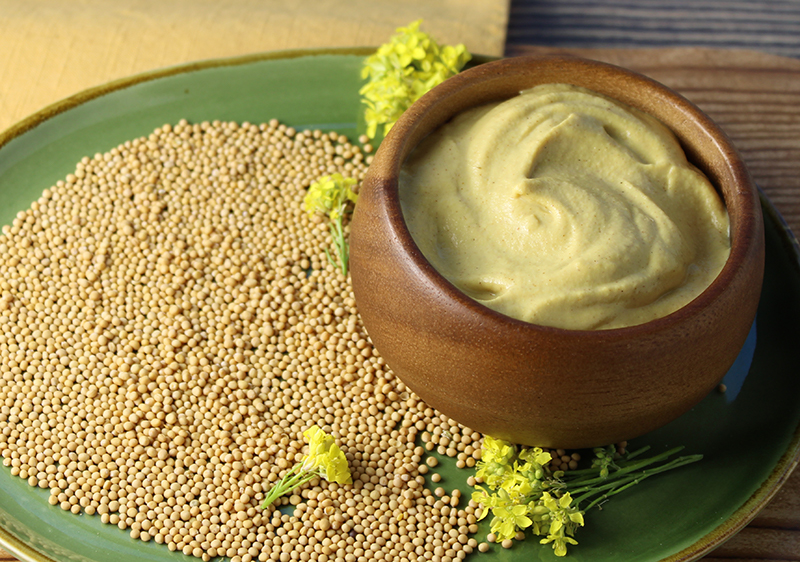
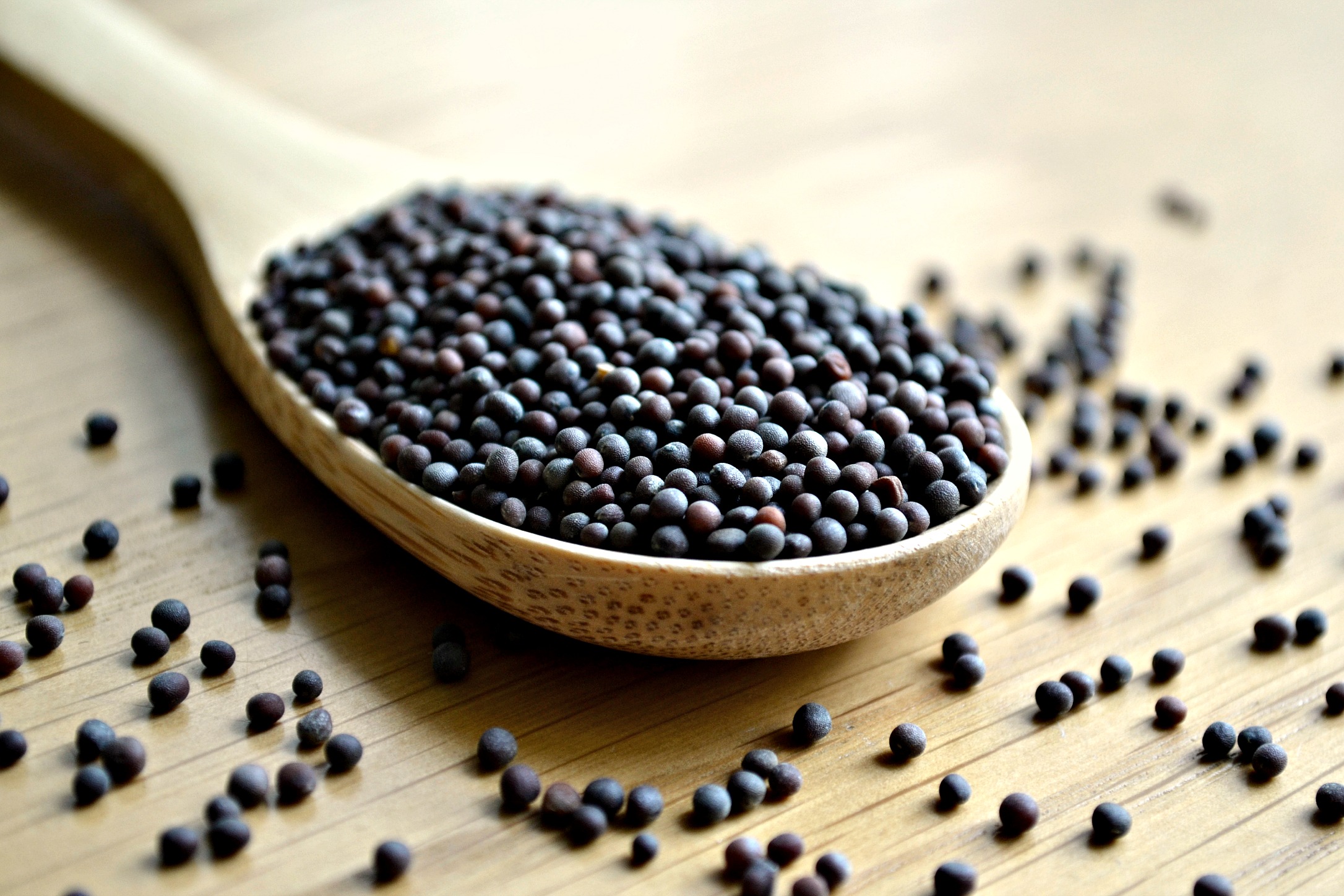
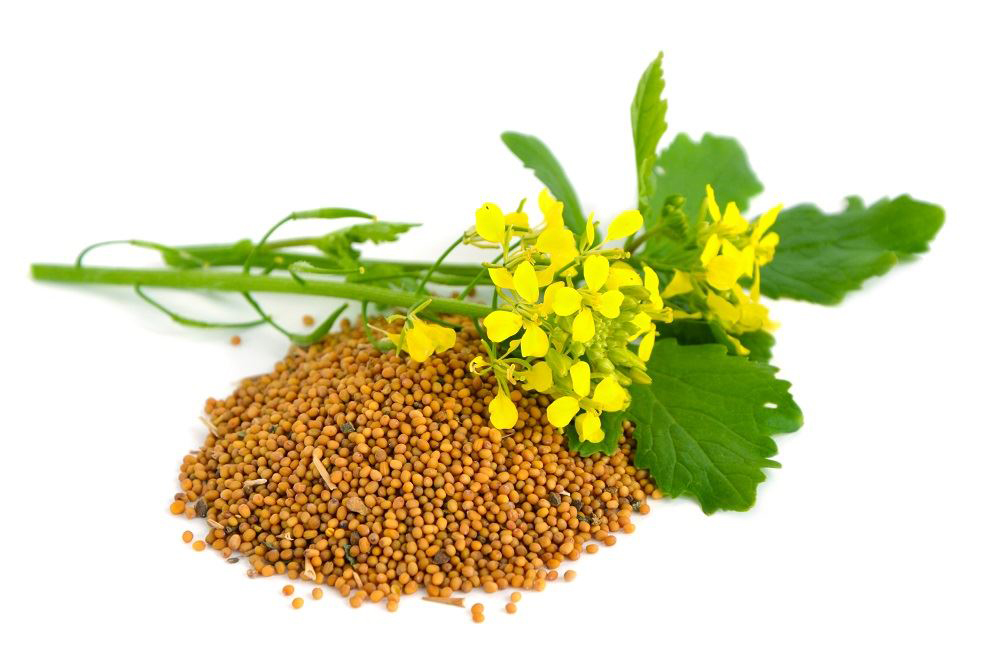
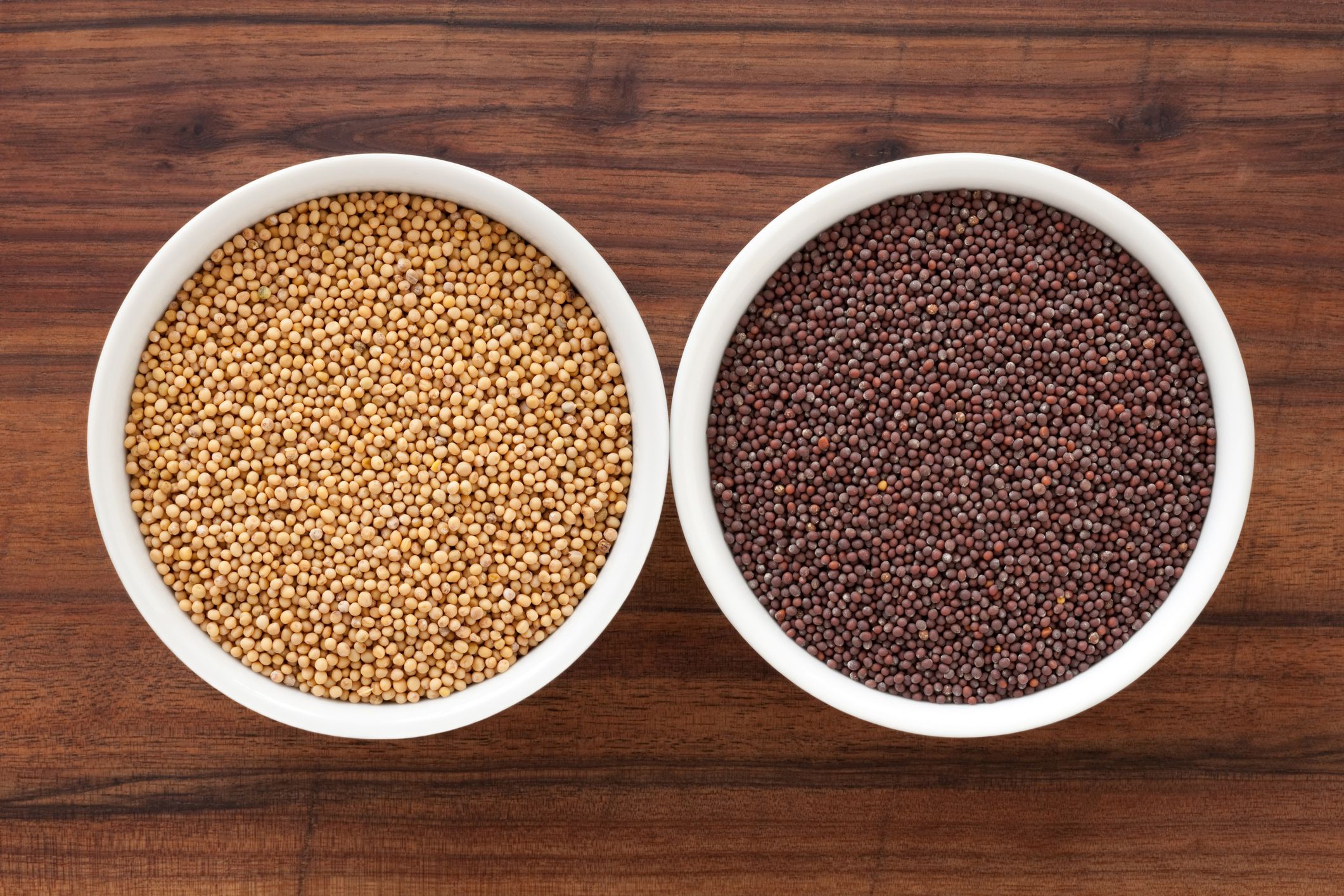
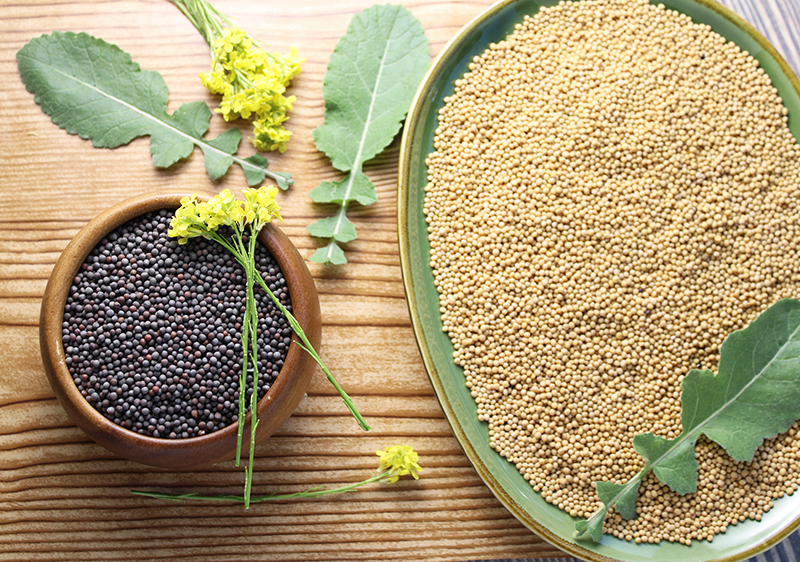
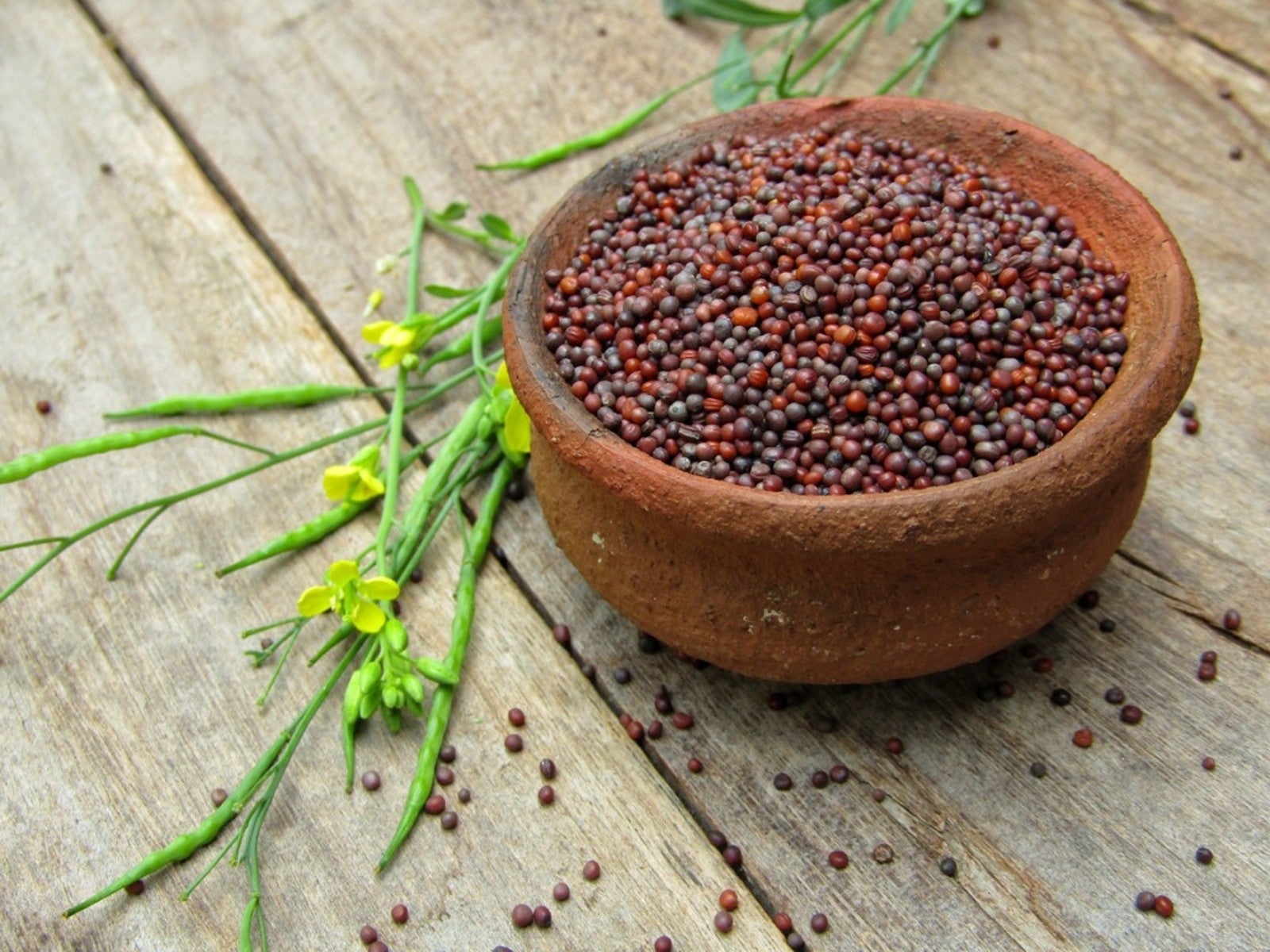
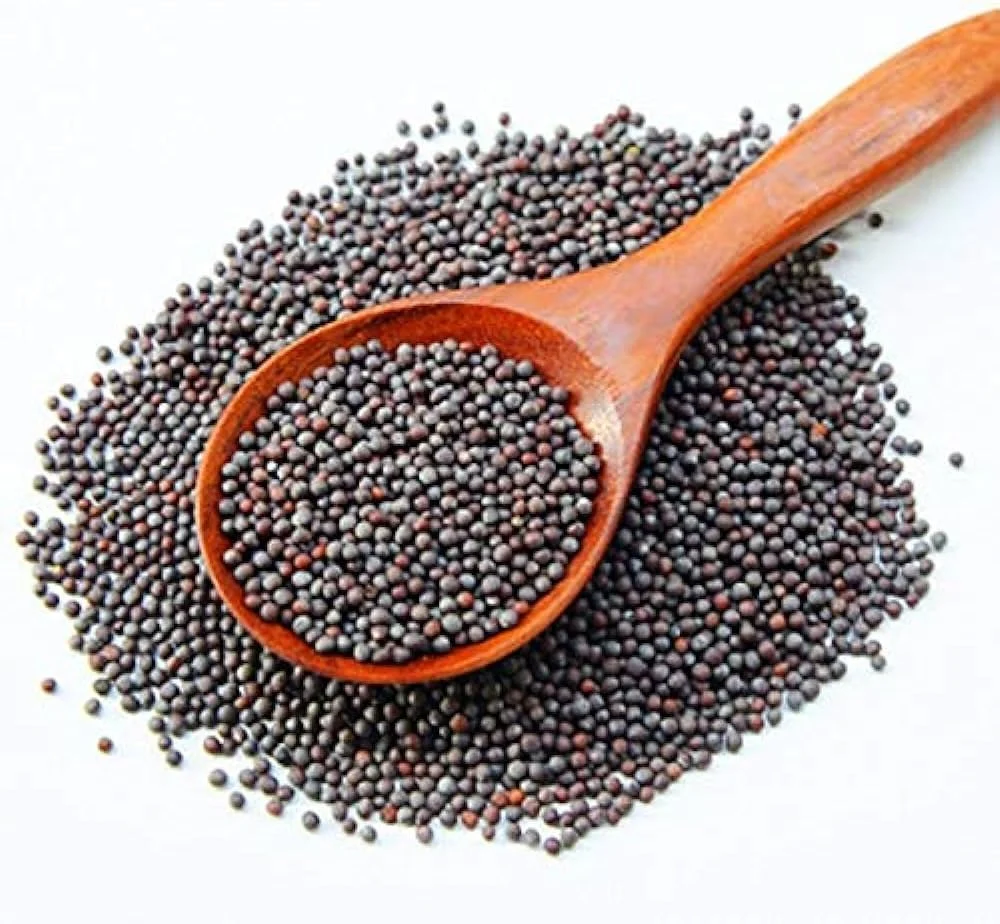
Mustard Seeds are small, round seeds obtained from various mustard plants (Brassica juncea, Brassica nigra, and Sinapis alba). They vary in color from yellow and brown to black, with each type offering a unique flavor profile ranging from mild and tangy to hot and pungent. Mustard seeds are a staple spice across global cuisines, used in curries, sauces, condiments, and pickles. They are also processed into mustard oil and ground into mustard powder, widely used in cooking and food industries. Nutrient-rich and loaded with essential oils, mustard seeds are not only culinary essentials but also valued for their medicinal and therapeutic properties.
Description
Mustard Seeds are versatile whole spices with a sharp, tangy flavor. Depending on the variety, they may be yellow, brown, or black in color. Used whole, roasted, or ground, they are added to curries, pickles, sauces, and spice blends. They are the base ingredient for mustard condiments and mustard oil. Packed with proteins, vitamins, minerals, and antioxidants, they provide numerous health benefits. Mustard seeds are widely used in both culinary and traditional medicine practices, making them a vital spice worldwide.
History
Mustard is one of the oldest cultivated spices, with evidence of its use dating back to 3000 BC. Ancient civilizations such as the Egyptians, Greeks, and Romans valued mustard seeds for their culinary and medicinal properties. The Romans were among the first to make a paste by grinding mustard seeds and mixing them with wine or vinegar, which evolved into the mustard condiments we know today. Mustard spread through Europe during the Middle Ages and became a staple spice. In India, mustard seeds and oil have been used in cooking and Ayurveda for centuries, particularly in northern and eastern regions. Today, mustard is cultivated extensively in India, Canada, Nepal, China, and Russia, making it a globally significant spice and condiment.
Specification
| Product Name | Mustard seeds |
|---|---|
| International Name | Mustard seeds |
| HSN Code | 1207.50 |
| Packaging | Customized |
| Type | Whole Spice Seeds |
Features & Characteristics
| Color | Yellow, brown, or black (depending on variety) |
|---|---|
| Storage Type | Store in a cool, dry, airtight container away from direct sunlight |
| Shelf Life | 12 months in normal temp; 24 months under 20 ℃ |
| Instruction For Use | Can be used whole, roasted, or ground; add to curries, pickles, sauces, condiments, and spice blends |
Ingredients
| Nutrients | Rich in fiber, healthy oils, and antioxidants |
|---|---|
| Minerals | Contains calcium, magnesium, iron, potassium, and selenium |
| Vitamins | Provides Vitamin A, Vitamin C, Vitamin K, and folates |
| Protein | 26 g |
| Fats | 36 g |
Uses & Benefits
Uses :
Used in curries, lentil dishes, and stir-fries for seasoning Ground into mustard powder for sauces, dressings, and condiments Added to pickles, chutneys, and marinades for flavor and preservation Used in oil extraction for mustard oil Enhances bread, crackers, and savory baked goods Widely used in traditional medicine and Ayurveda preparations
Turmeric Uses & Benefits :
Supports digestion and improves metabolism Rich in antioxidants that strengthen immunity Helps regulate cholesterol and heart health Provides anti-inflammatory properties Promotes healthy skin, hair, and detoxification Traditionally used for cold, cough, and joint pain remedies